↑↓ Navigate • Esc Close • Swipe to dismiss
Industry Insights & Analysis
Forward-thinking perspectives on retail, manufacturing, and frontline workforce transformation.
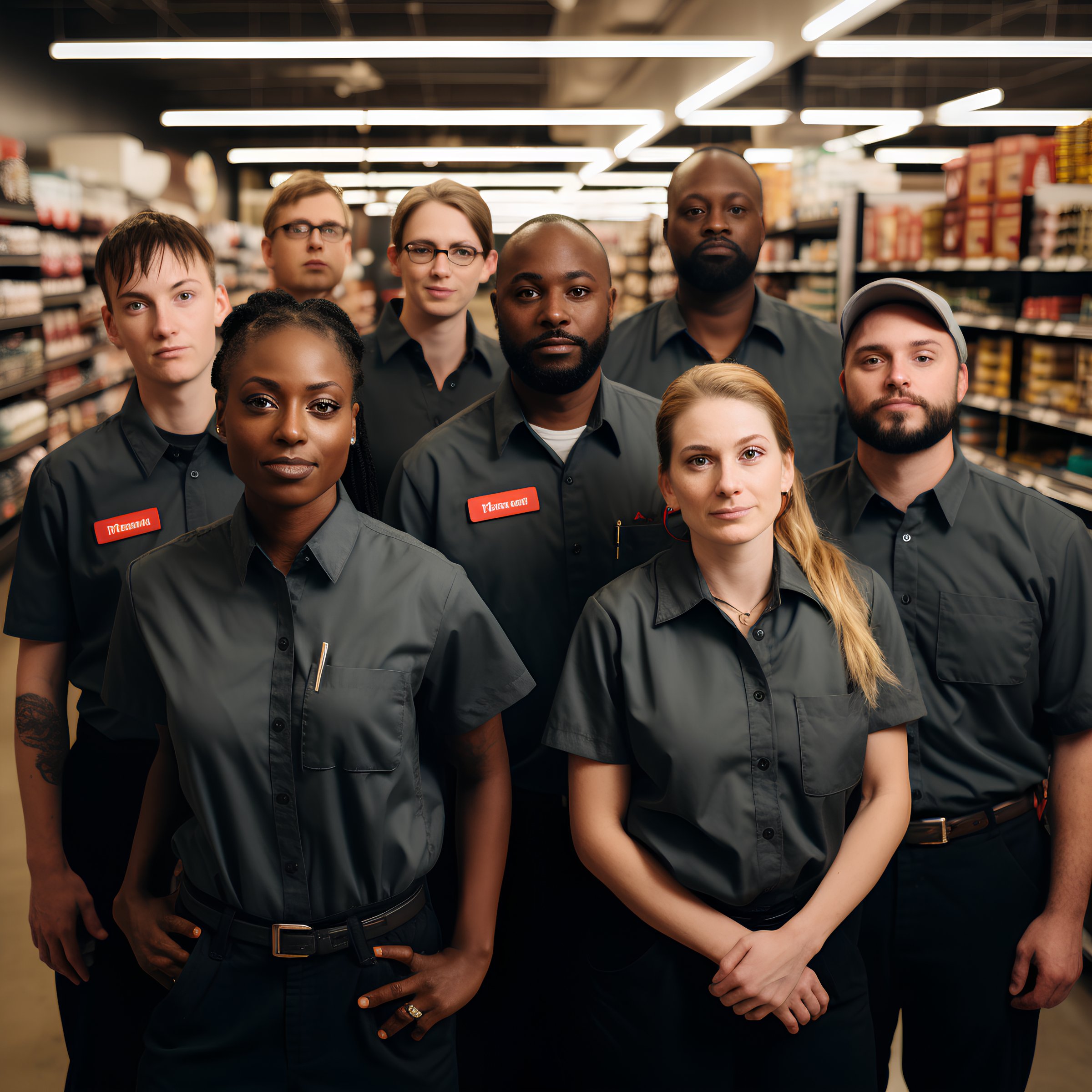
Making it to the Playoffs: Seasonal Retail Tryouts Begin.
Retailers are expected to add about 450,000 seasonal workers this quarter, and most big names aren't announcing targets. A smaller, more surgical intake changes what each holiday hire is for, and who should be watching.

The Cost of Inconsistency: How Poor Scheduling Drives Up Retail Turnover
Chicago's revised Fair Workweek rules took effect June 1, 2026, and most retailers are reading the news as a compliance map. The costlier question is where schedule instability actually comes from, and how it affects retail turnover.
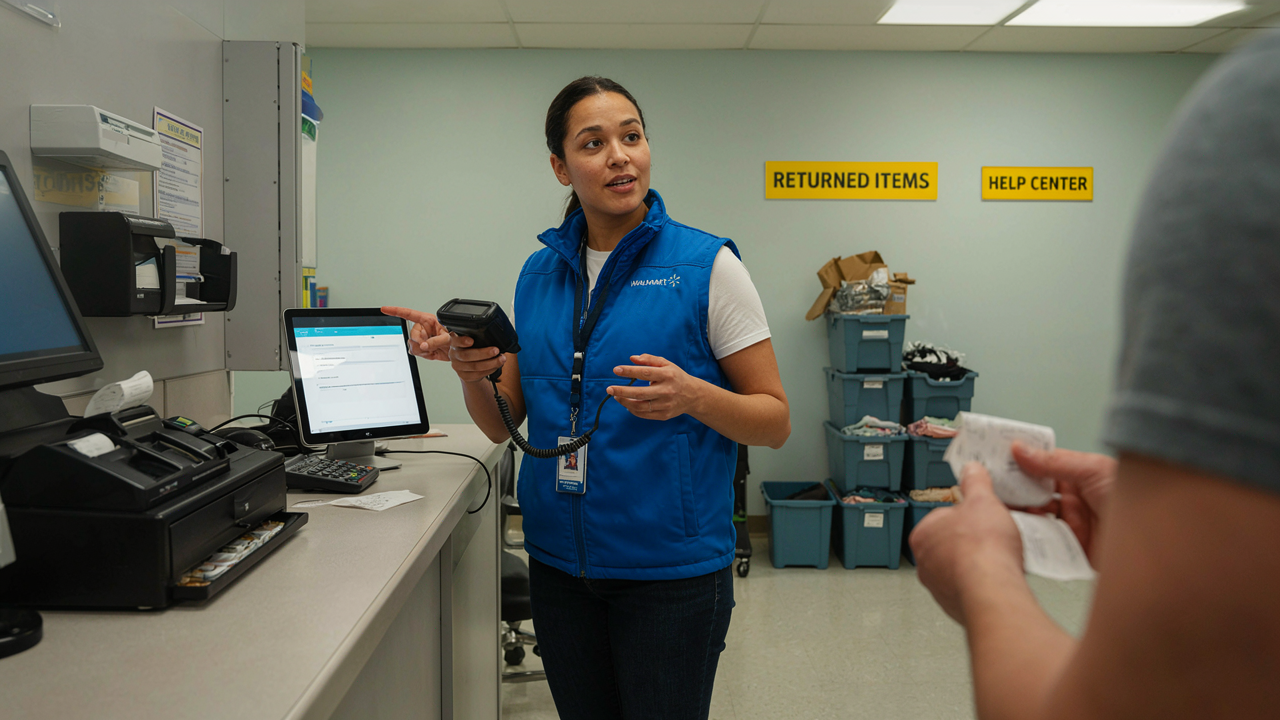
Store workers at Walmart have a new responsibility: correcting AI errors.
Walmart store workers are now correcting the AI agents that assign their tasks and set timings they can't hit. Managers say they are not enforcing those numbers. That restraint is the only safeguard in the system, and it is not written down anywhere.

Steaks are High on the Frontline: Customers can't afford groceries
This summer, meat eaters are feeling the pinch as the cost of goods and services continue to command a premium of their pockets. As a result, many are skipping out on their favorite lamb shank, or steak. The question is: how does this affect the way operators price, organize and promote meat items?

Ready or Not, Here AI Come (to the Manufacturing Frontline)
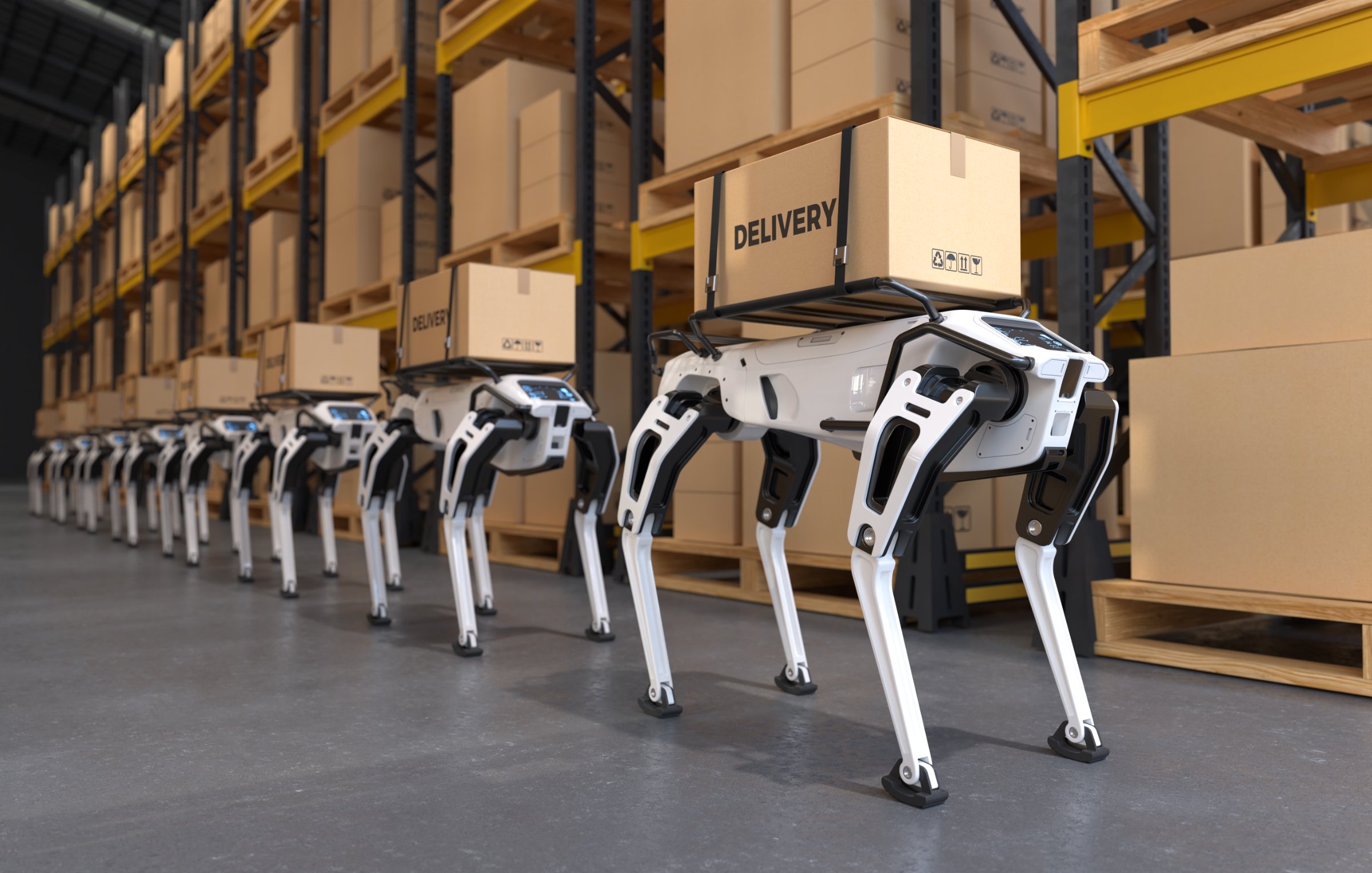
Warehouse AI Hits $127 Billion by 2035 with Amazon leading the way: What that means for Logistics operators.

Signed, Sealed, Delivered: Amazon Is Coming for UPS and FedEx's Parcels

Your Mail Carrier Needs Water. USPS Gave Them a Form to Fill Out.

Healthcare Staffing Algorithms: Promise Versus Reality for Shift Managers

What AI Can't Fix: The Human Factors Still Driving Frontline Failure

1 in 3 manufacturing employees have mental health challenges: How HR can help break the stigma on the frontline.

Sweet Frontline, Alabama: Google is investing $1.5bn in Data Centers
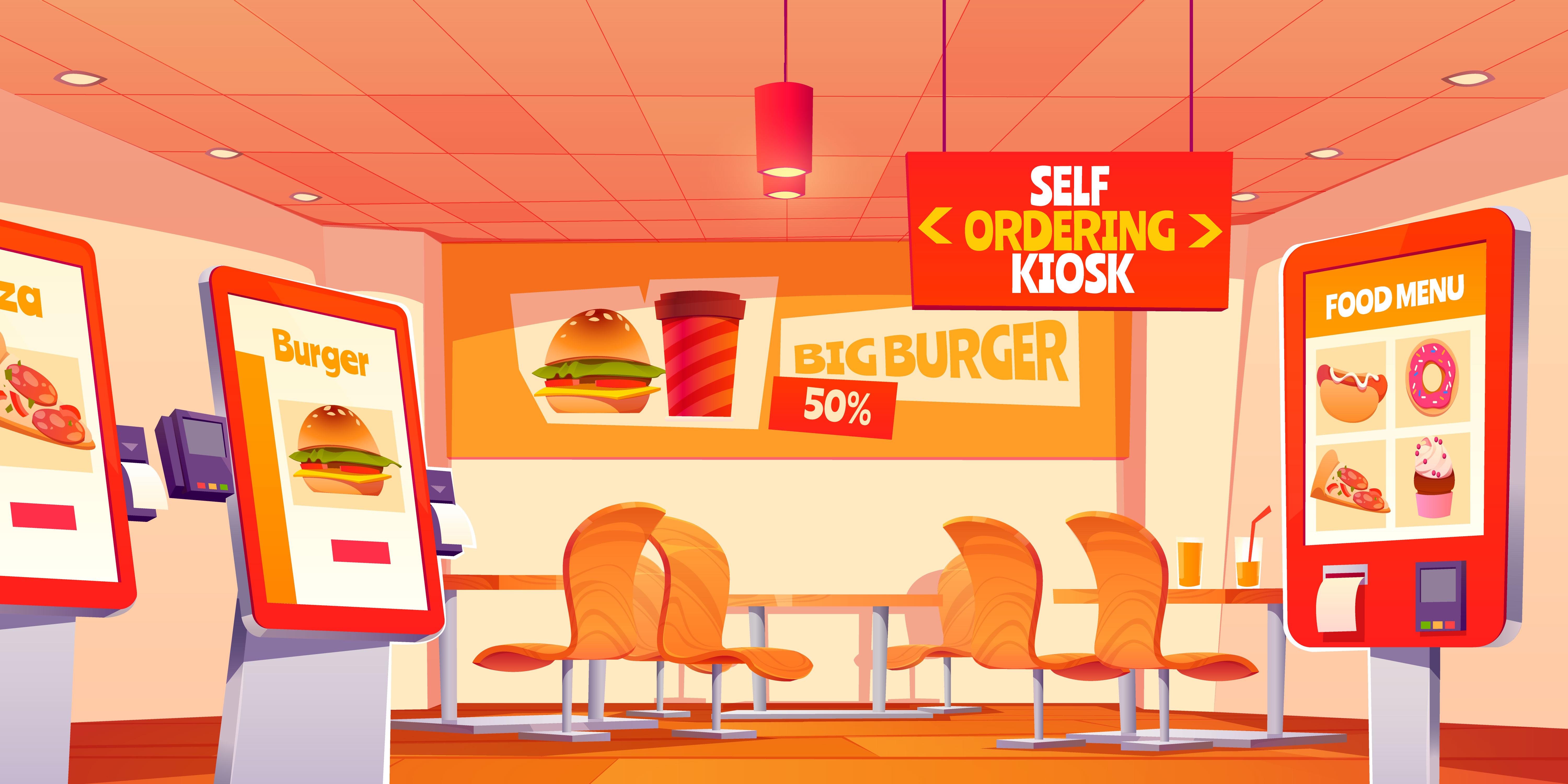
Supersize Me, Ronald: McDonald's New Strategy Is Ready. Is the Crew?

The Shelf Talks Back on Digital Tags: What Walmart Associates Are Telling Us on Social Media

Do it Yourself, Frontline: Why AI Self-service is the Future of HR Support

One AI Closed: Most retail companies in 2026 are using AI to manage frontline workers, without managing risks.

AI Readiness in Retail: The Frontline Gap That Needs to be Addressed.

Industrial Robots Are Reaching Record Sales, But No One Knows How To Run Them. That's a Big Problem.

The post-pixel Retail Associate: Redefining High-value Human Labor in a Digital Aisle

Upskilling the Frontline: Micro-credentialing for Retail Retention

Building Frontline Career Paths: How Retailers Turn Jobs into Careers

Unified Commerce, Come Together Right Now: What It Means for the Retail Frontline

Energy Volatility and Tribal Knowledge: the Hidden Risk in Your Manufacturing Production Line

From Automation to AI Augmentation: Why FedEx’s AI Training Bet Signals a Frontline Reset

Robotics ROI: the Human Metrics Your CFO Isn't Tracking

Ok, Computer: Reducing the risk of a cybersecurity attack on the manufacturing floor.

Returns, Refunds, and Retail Rage. Hold the Frontline.

Your turnover is down. Don't celebrate yet.

Here Comes the Smoke: How Wildfires Affect the Frontline.

Workforce Management Has a Definition Problem. What Is It?

Corporate Culls Versus the Frontline Crisis: Why You Can’t Cut Your Way to Retention

Your Future Retail Customer is Cheating on You with a Chatbot

Why Your $10m Automation Investment is Failing: the Frontline Competency Gap

The New Retail Reality: Blending Bricks, Clicks, And Couriers
The Shelf Goes Digital: What Walmart’s Price Tag Shift Means for Retail Frontlines

Can AI Automation Save Healthcare and Reduce Staff Burnout?

How to Conduct Retail Stay Interviews That Actually Prevent Turnover

Machines Aren’t the Constraint, the Manufacturing Labor Shortage Is.

Managing technical debt in manufacturing before it manages you

BOGO AI : When AI Promises the Deal, Can Retail Leaders Deliver?

New Opportunities, New Risks: Using AI to Engage Healthcare Teams Across Shifts and Schedules
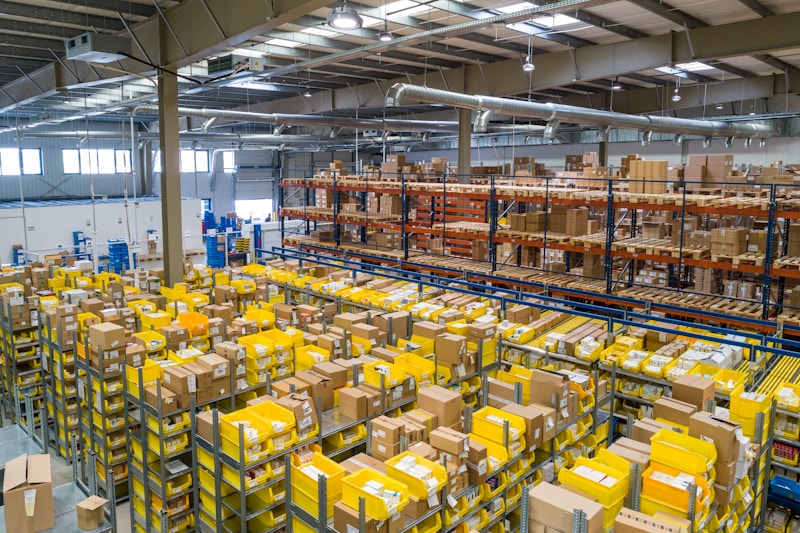
Warehouse Leadership in the Age of Same-Day Delivery

How Retail Shift Leads Are Redefining Customer Experience

The Compliance Trap: Safety Theater Is Killing Engagement in Manufacturing

Safety Leadership on the Production Floor

Nurse Manager Burnout: Recognition and Recovery Strategies

Building High-Performance Teams in Hourly Retail Environments

Upskilling Your Production Team for Industry 4.0
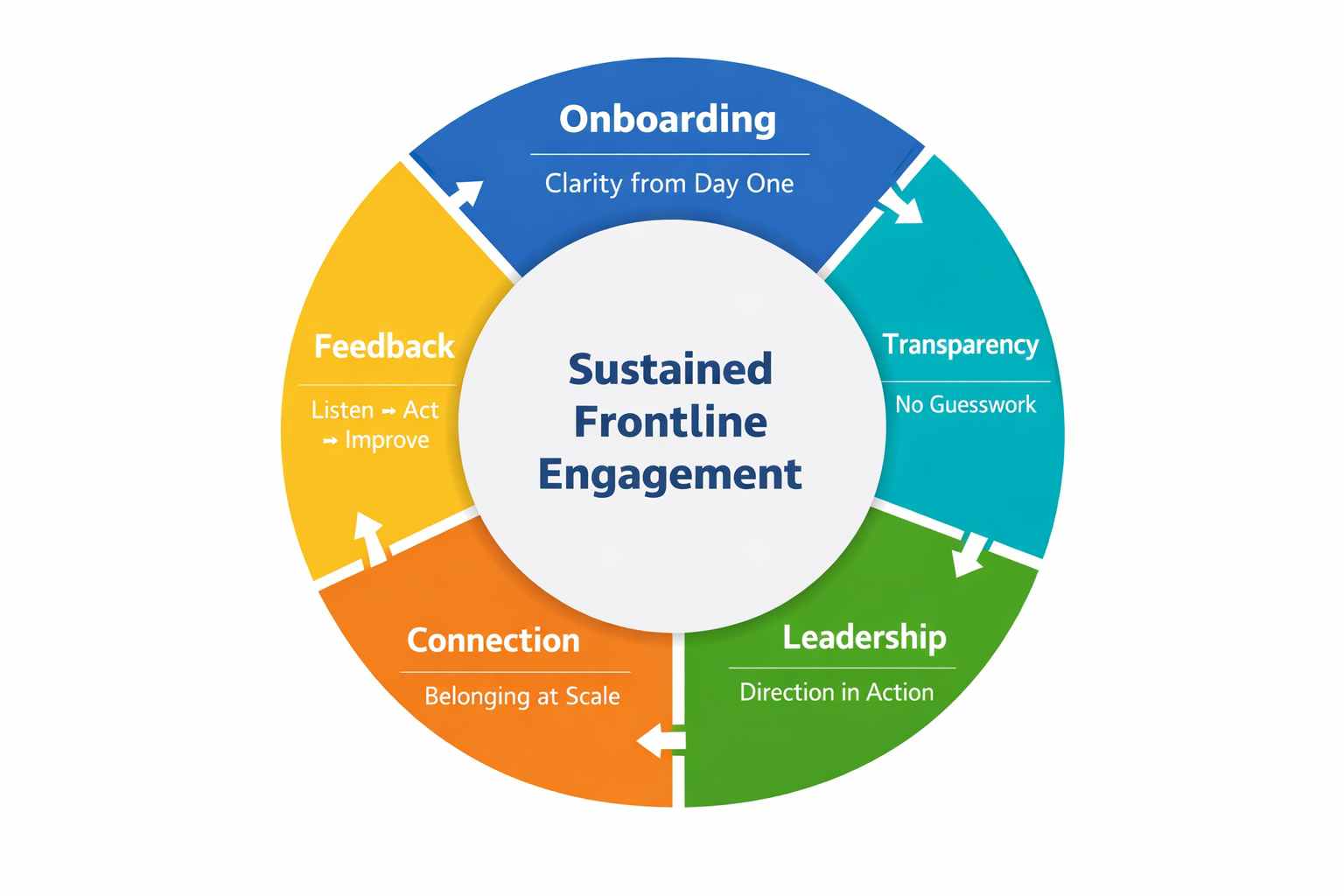
Why Manufacturers Are Paying $2/Hour More—And Still Can't Hire

Creating Psychological Safety in High-Stakes Healthcare Environments

The Hidden Cost of Understaffing: A Retail Leadership Perspective

Driver Retention: A Fleet Manager's Guide to Keeping Your Best

Managing Multi-Generational Teams in Manufacturing

Last-Mile Delivery Team Management

Scheduling Strategies for 24/7 Healthcare Operations

Store Manager Communication: Bridging Corporate and Floor Teams

Lean Leadership: Engaging Frontline Workers in Continuous Improvement

Leading Through Crisis: Healthcare Supervisor Resilience

Cross-Docking Strategies for Modern Distribution

Cold Chain Leadership: Managing Temperature-Sensitive Logistics

Patient Experience Starts with Staff Experience

Peak Season Preparation: A Logistics Leader's Playbook

Loss Prevention Leadership: Balancing Security and Customer Experience

Managing Maintenance Teams: Preventing Downtime Before It Happens

Training New Nurses: Preceptor Leadership Skills
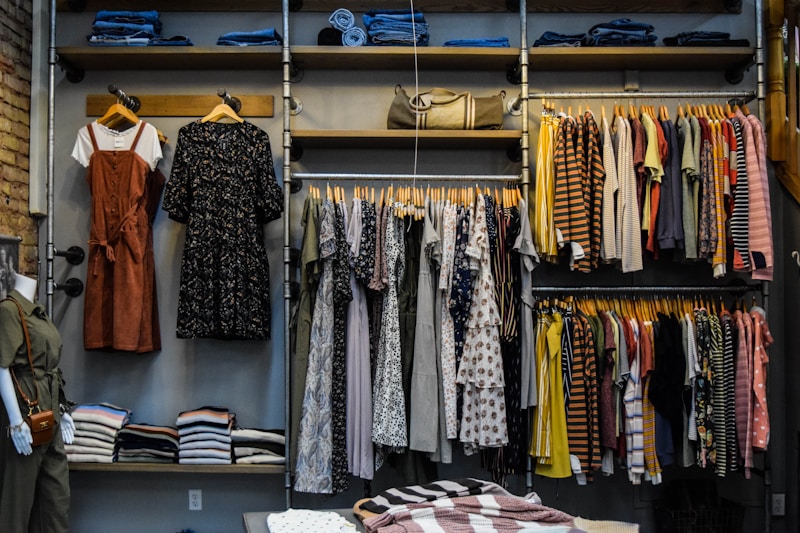
Visual Merchandising and Frontline Team Alignment

Quality Control Leadership on the Production Line
Turn Around, Frontline: Why Retail Associates Leave
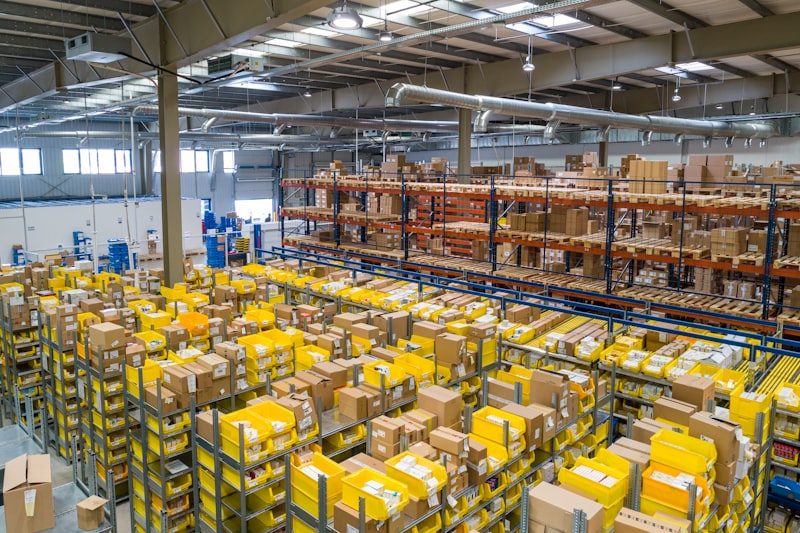
3 Ways To Upskill Staff On The Floor: Adapt, and Thrive

Employee Engagement in Distributed Healthcare Teams

Safety Compliance Trends at Work

Building a Connected Frontline Culture in 2026

5 Strategies to Cut Early-Tenure Turnover in Half

Combating Burnout in Frontline Healthcare: A Manager's Playbook

Onboarding Excellence: Setting Up New Clinical Staff for Success

Smart Scheduling: Balancing Patient Demand with Clinician Wellbeing

Maximizing Shift Productivity Without Burnout
The Future of Retail Frontline Workforce Management

Reducing Turnover in Retail: A Data-Driven Approach