
Combating Burnout in Frontline Healthcare: A Manager's Playbook


The Frontline Factor — Evidence-based strategies for healthcare leaders to recognize, prevent, and address burnout before it impacts patient care and staff retention.
The healthcare burnout crisis has reached unprecedented levels. According to the 2024 Medscape Physician Burnout Report, 49% of physicians report feeling burned out—a figure that climbs even higher among nurses and frontline clinical staff. For healthcare leaders, this isn't just a wellbeing issue; it's an operational emergency that directly impacts patient safety, turnover costs, and organizational sustainability.
Understanding the burnout landscape
The World Health Organization officially recognized burnout as an occupational phenomenon in 2019, defining it as chronic workplace stress that hasn't been successfully managed. In healthcare, the consequences are particularly severe.
The triple threat: exhaustion, cynicism, and inefficacy
Research from the Mayo Clinic identifies three core dimensions of burnout:
- Emotional Exhaustion: The feeling of being completely drained by work demands
- Depersonalization: Developing cynical attitudes toward patients and colleagues
- Reduced Personal Accomplishment: Feeling ineffective despite effort
The American Nurses Association reports that 62% of nurses experienced burnout in 2024, with critical care and emergency department staff showing the highest rates.
Early warning systems: recognizing the signs
Effective burnout prevention starts with early detection. The Maslach Burnout Inventory, considered the gold standard assessment tool, can help managers identify at-risk staff before crisis point.
Behavioral indicators
Watch for these warning signs in your team:
- Increased absenteeism or presenteeism
- Withdrawal from team activities and communication
- Declining patient satisfaction scores
- More frequent errors or near-misses
- Expressed cynicism about organizational mission
The Joint Commission recommends regular pulse surveys focused on emotional wellbeing, with monthly check-ins for high-stress units.
Evidence-based interventions
Stanford Medicine's WellMD Center has pioneered a three-tier approach to burnout prevention that has shown measurable results.
Tier 1: efficiency of practice
Reduce administrative burden through:
- Scribes or AI-assisted documentation
- Streamlined EHR workflows
- Protected time for charting
- Reduced meeting load
Cleveland Clinic reported a 15% reduction in burnout after implementing ambient AI documentation, according to their 2025 implementation study.
Tier 2: culture of wellness
Build organizational support through:
- Peer support programs
- Mental health days without stigma
- Leadership modeling of self-care
- Recognition programs tied to values, not just metrics
Tier 3: personal resilience
While systemic change is essential, individual support matters:
- Access to counseling services
- Mindfulness and stress reduction programs
- Flexible scheduling options
- Career development pathways
The manager's daily practice
Frontline managers are both vulnerable to burnout and critical to preventing it in others. The American College of Healthcare Executives emphasizes that manager behavior sets the tone for unit culture.
The Five-Minute Check-In
Gallup research shows that employees who have regular one-on-ones with their manager are three times more engaged. Even brief daily connections can make a difference:
- Start shifts with a quick team huddle
- Ask open-ended questions about workload
- Listen for what's not being said
- Follow up on previously mentioned concerns
The Frontline Take
Burnout in healthcare is systemic, but solutions start at the unit level. Managers who create psychologically safe environments, advocate for resources, and model sustainable work practices can significantly impact their team's resilience—and ultimately, patient outcomes.
Key Takeaway
Burnout prevention requires systemic change, but frontline managers can make immediate impact through early detection, psychological safety, and advocating for their teams.
Related Articles
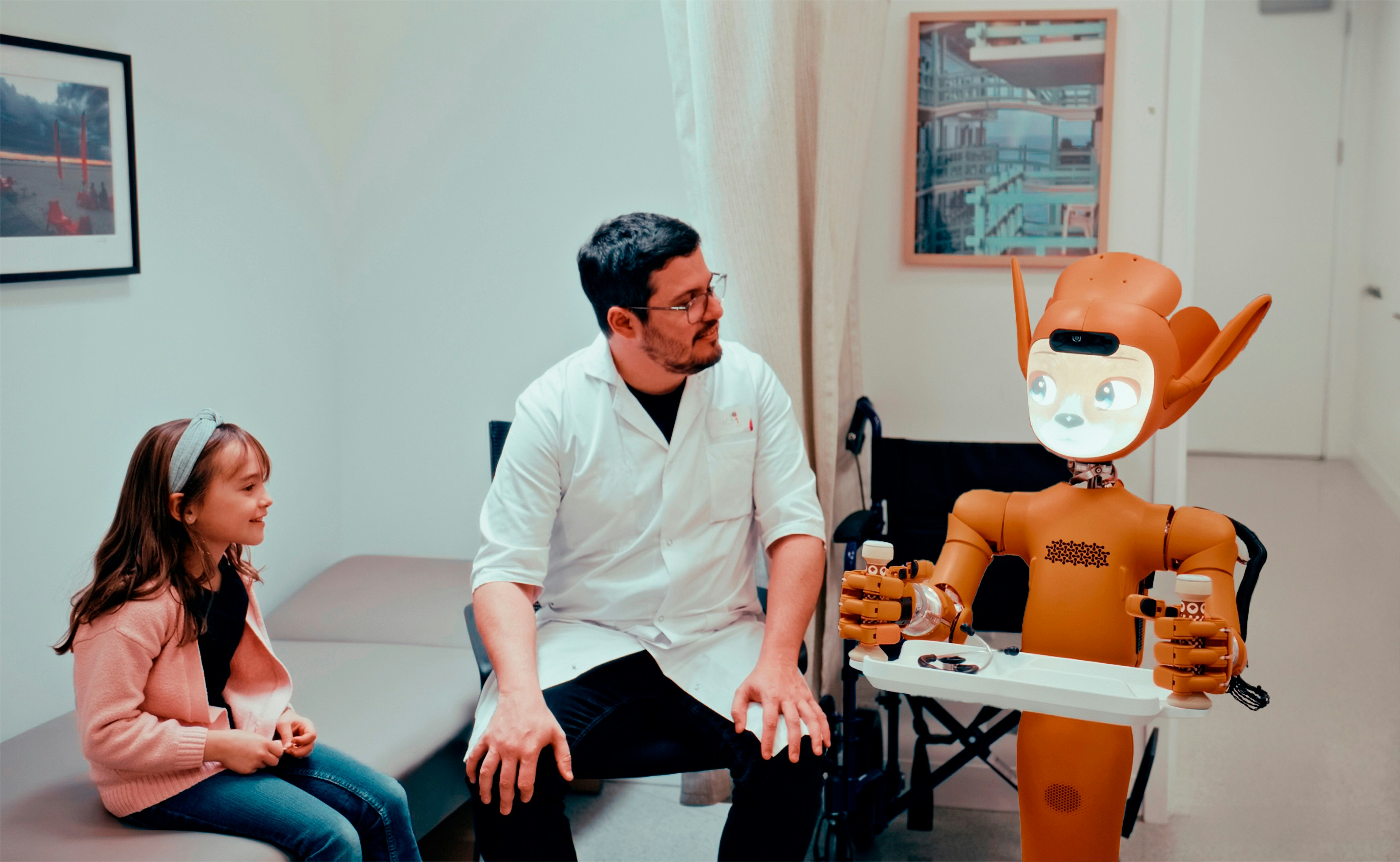
Can AI Automation Save Healthcare and Reduce Staff Burnout?
Healthcare professionals are facing an unprecedented crisis of burnout. In recent months this tension has gained renewed urgency. Using AI automation in healthcare may be the strategy burdened frontline staff need.

New Opportunities, New Risks: Using AI to Engage Healthcare Teams Across Shifts and Schedules
Healthcare organizations are turning to AI-powered tools to bridge communication gaps across 24/7 operations—but implementation requires careful attention to burnout, equity, and trust.

Nurse Manager Burnout: Recognition and Recovery Strategies
Supporting the leaders who support patient care.