
Making it to the Playoffs: Seasonal Retail Tryouts Begin.
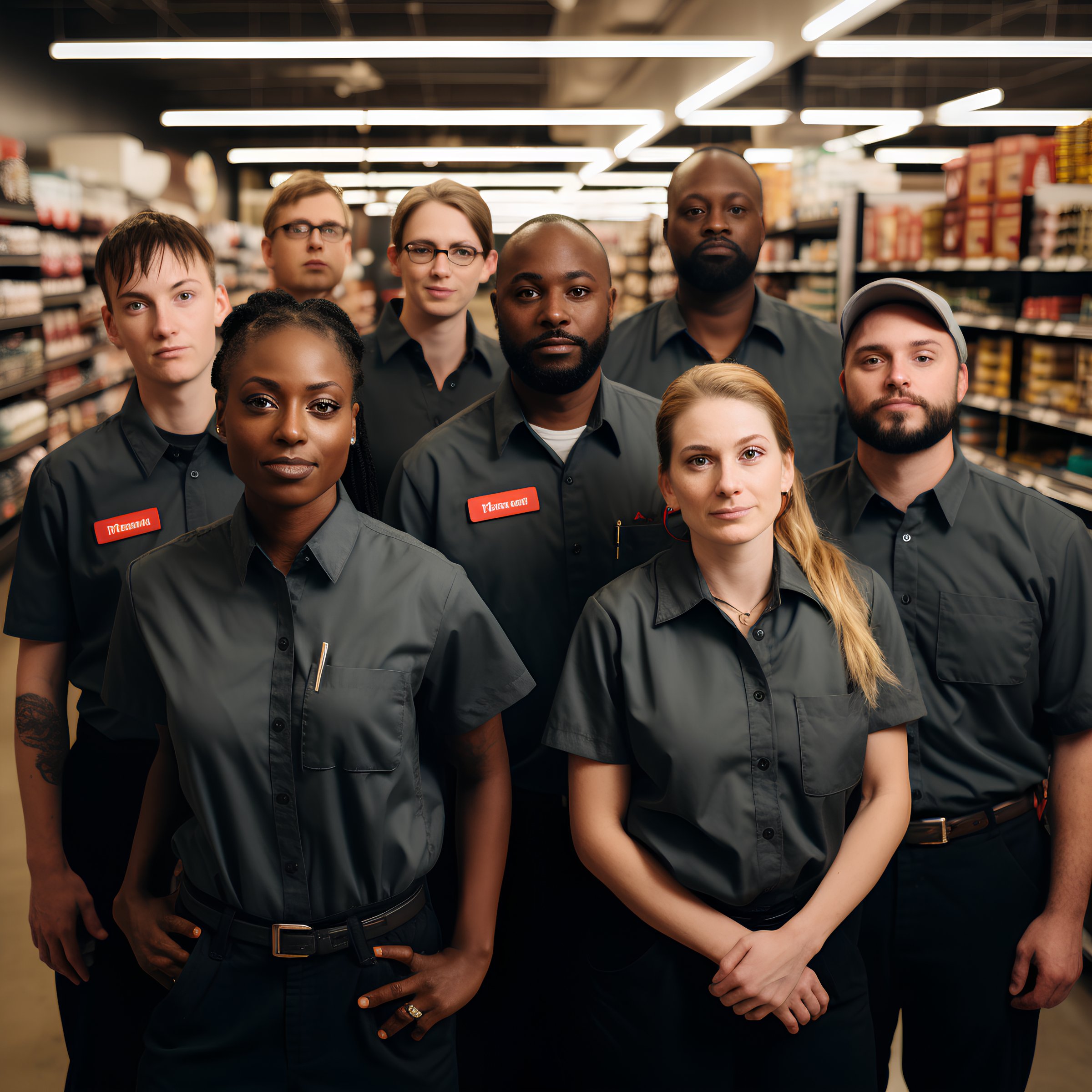

The Frontline Factor — Retailers are expected to add about 450,000 seasonal workers this quarter, and most big names aren't announcing targets. A smaller, more surgical intake changes what each holiday hire is for, and who should be watching.
Fewer holiday hires in Q4 turn every seasonal job into a tryout
Retailers are expected to add about 450,000 seasonal workers in the fourth quarter of 2026, fewer than last year's total, which was already the smallest seasonal gain since 2008.
Most of the biggest names aren't saying how many they plan to hire. That silence is easy to read as caution. It also changes the job a seasonal hire is doing, and that is a question for HR and operations long before it becomes a question for shoppers.
A quieter season, by design: HR fields hiring goals
The projection comes from Challenger, Gray & Christmas, as reported by Retail Dive, and it puts Q4 retail hiring 2.5% below the 461,500 jobs added at the end of 2025. Last year was already a low bar.
The 2025 figure was itself 15% below the 543,100 added in Q4 2024, according to Challenger's analysis of Bureau of Labor Statistics data.
Large retailers usually announce seasonal targets around now, and Challenger found "only a handful of companies" are doing so in 2026. Amazon has hired 250,000 seasonal workers in each of the last three years and usually announces by mid-October. At the time of reporting it had shared nothing about 2026, though it did announce a minimum wage increase in mid-September.
Target and Kohl's, which have historically hired about 100,000 and roughly 90,000, are both in their seasonal push without promoting public hiring targets.
Challenger reads this as retailers "again planning to lean on existing staff and on-demand pools rather than committing to large seasonal waves this early." The firm dates that shift toward flexible, on-demand staffing to 2024.
Demand isn't the obvious brake. Andy Challenger, the firm's chief revenue officer, pointed to high prices and tariff concerns as reasons retailers are assessing their current workforce before adding new seasonal workers. August retail sales rose 1.2%, he noted, but "that resilience is not translating into large, early hiring commitments from the biggest retailers."
His summary: "almost every hiring announcement we've seen in the last three years is smaller and more surgical than the pre-pandemic playbook."
Surgical hiring changes the touchdown on each hire
A 900,000-person seasonal wave, the scale Challenger cites for 2020 and 2021, buys hours. That is all it needs to do.
A smaller intake looks different.
When a retailer sizes up its existing team first and then hires to the gaps, each seasonal role exists for a reason someone can name. That makes the seasonal hire less of a temporary cost and more of an extended working interview, whether or not anyone designs it that way.
One retailer that announced more than 10,000 seasonal hires in September put a number on what that can look like. Almost half of its in-store seasonal positions last year converted to regular roles. That is one company's figure.
While its announcement doesn't say how those conversions were managed, what it does show is how a seasonal class can become a real share of the next year's workforce.
The calendar adds a reason to pay attention.
Retail employed 15.47 million people in August, about 63,000 more than a year earlier, per preliminary BLS figures cited by Challenger. Those numbers tend to dip in September as younger workers head back to school, then climb again in the fourth quarter. So the seasonal class typically arrives just after stores have lost people.
Where the retail hiring game falls apart: interception
Treating the season as a hiring pipeline sounds obvious. Two things can quietly get in the way.
On-demand pools aren't built to convert. Challenger describes retailers leaning on on-demand pools alongside existing staff, and for covering a peak that makes sense. Evaluation is another matter. A worker who picks up scattered shifts may never work for the same manager twice, which leaves no one with enough to judge and gives the worker little reason to see the store as a future employer. If permanent headcount is part of the goal, some of the season's hours have to go to people who stay in one place long enough to be seen.
The conversion call lands in January by default. When no one owns the decision, it gets made after the peak by whoever is still around to make it. That timing has a cost. The strongest seasonal performers may have spent weeks lining up something else, and don't have the will or patience to wait for corporate to put out the call for seasonal work.
Setting the post-holiday headcount target in October, and telling seasonal hires early that some roles will stay open, turns the season into a selection process they can actually compete in.
The Frontline Take
The holiday wave isn't coming back at pandemic scale. Even if the big names match last year's numbers, the total will likely fall well short of the 2019 to 2021 peaks. Since then there have been decreasing peaks during times that traditionally have a lot of foot traffic.
That leaves a choice about what the smaller intake staffing stores is for. Retailers can treat it as the last block of hours they couldn't avoid buying, or as their first look at next year's frontline.
Key Takeaway
When seasonal hiring shrinks to a surgical intake, each holiday hire becomes a tryout for next year's frontline. The conversion decision belongs in October, not January.
Related Articles
The Cost of Inconsistency: How Poor Scheduling Drives Up Retail Turnover
Chicago's revised Fair Workweek rules took effect June 1, 2026, and most retailers are reading the news as a compliance map. The costlier question is where schedule instability actually comes from, and how it affects retail turnover.
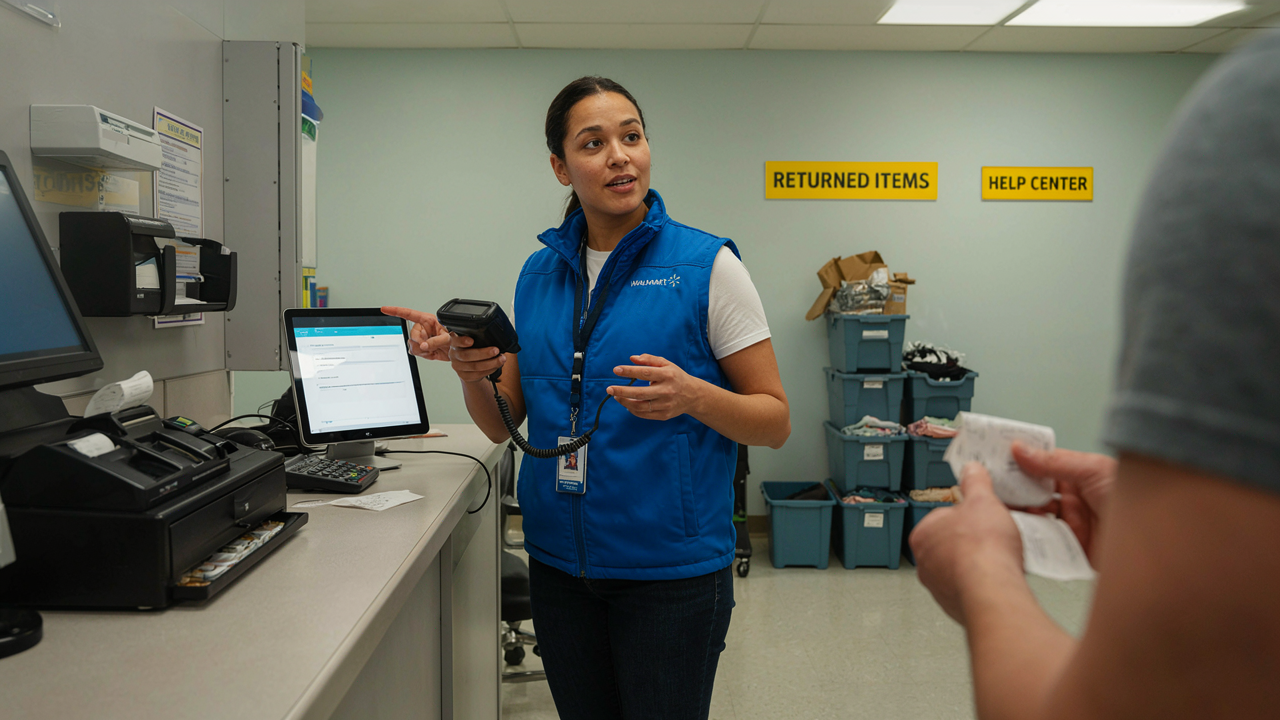
Store workers at Walmart have a new responsibility: correcting AI errors.
Walmart store workers are now correcting the AI agents that assign their tasks and set timings they can't hit. Managers say they are not enforcing those numbers. That restraint is the only safeguard in the system, and it is not written down anywhere.

Steaks are High on the Frontline: Customers can't afford groceries
This summer, meat eaters are feeling the pinch as the cost of goods and services continue to command a premium of their pockets. As a result, many are skipping out on their favorite lamb shank, or steak. The question is: how does this affect the way operators price, organize and promote meat items?