
Steaks Are High on the Frontline: Customers Can't Afford Groceries
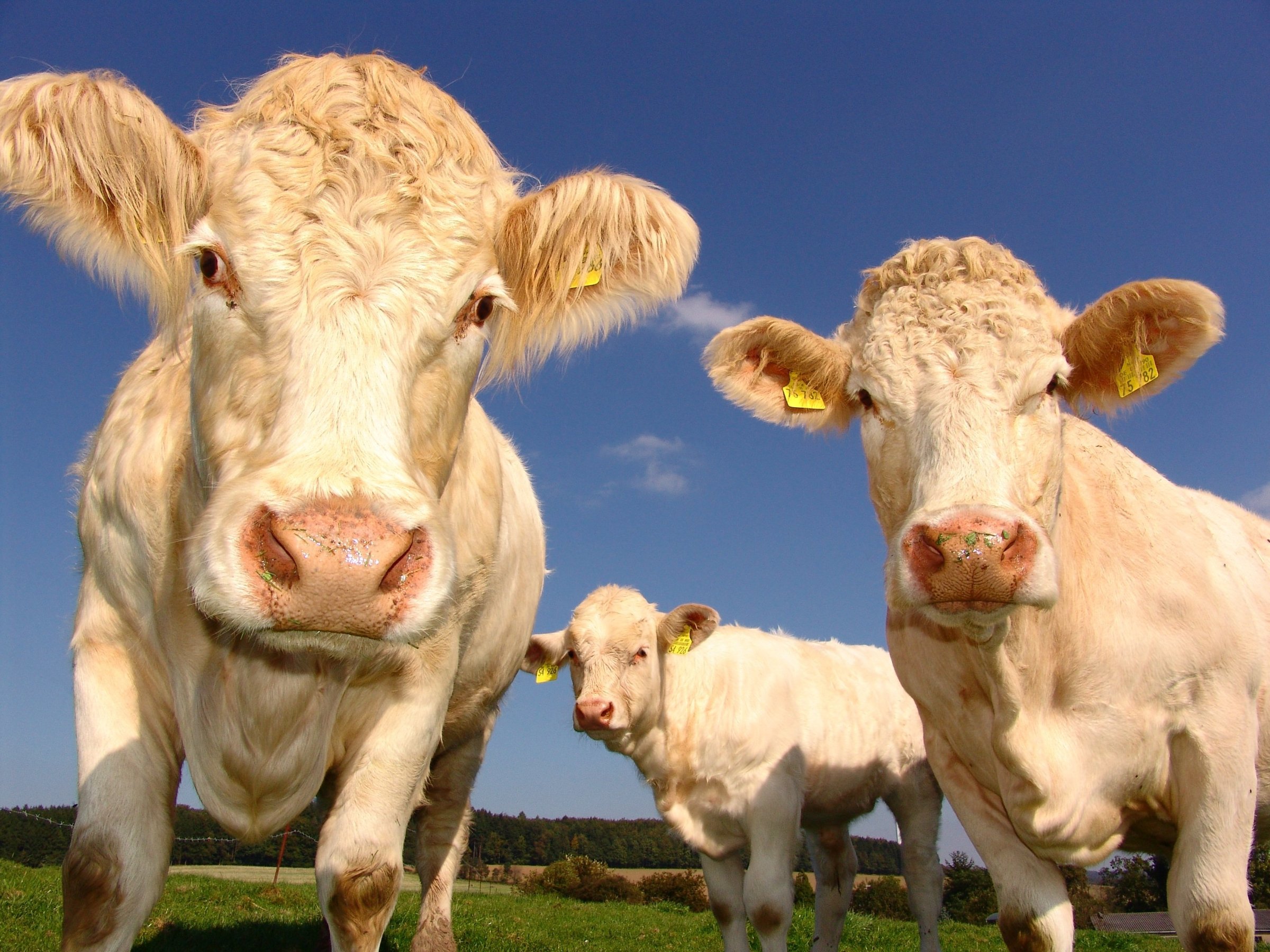

The Frontline Factor — This summer, meat eaters are feeling the pinch as the cost of goods and services continue to command a premium of their pockets. As a result, many are skipping out on their favorite lamb shank, or steak. The question is: how does this affect the way operators price, organize and promote meat items?
Raw deal: cold cuts claims customers cash
Two years of surging meat prices have left Americans hungry in the house, and empty in the pocket. According to research firm Circana, who commissioned a study on the trend, there has been a slight but significant decrease in beef sales volume by around a 0.3% since last July. It's nominal but significant. In the same stretch of the previous two years, volumes grew about 5%, so it can be viewed as at least a declining factor.
This follows a general trend of increasing food prices; who doesn't remember some version of egg-gate?
The offset of this is that consumers are buying less meat and worrying more about the cost of it. Not great news for them, and certainly not great for operating margins.
Sirloin seems to be the hardest word: justifying pricing and adapting to customer realities on the floor
The knock on effect: if you're an operator or retail associate trying to get people into your store (and keep them there), you need to think about what tools are available to help.
Make good use of endcaps and combine deals with higher perceived value lower cost items. So instead of 5% of steaks make it make 5% off a bag of potatoes when you buy a steak. The customer gets a deal, and the store gets to sell both items.
Less beefing, more lean learning
Education around price changes can also help to reassure worried buyers that the price increases aren't permanent. Understanding what they want, and responding to that is key. That obviously includes educating your team, preparing scripts for common questions and concerns to do with the cost of goods.
Finally, being judicious about repurposing cuts of meat for example by making use of repurposing facilities like specialist surplus food buyers who can turn excess food into animal feed. There are other creative ways to redivert stock, such as donating overstock to local food pantries; it depends on your business model what pros and cons you see with each method.
The Frontline Take
While retailers can't control for economic fluctuations completely, they can manage shopper expectations and work around them creatively. Looking ahead, economic volatility is set to continue as are prices, but there are ways to bridge that gap.
Key Takeaway
While retailers can't control for economic fluctuations completely, they can manage shopper expectations and work around them creatively. Looking ahead, economic volatility is set to continue as are prices, but there are ways to bridge that gap.
Related Articles

Returns, Refunds, and Retail Rage. Hold the Frontline.
Returns, refunds, and rage. From January 2027, large New York retailers must install silent response buttons. The law handles the incident. It does nothing about the slow version, the ordinary Tuesday that quietly returns a different person to their family.
The Shelf Talks Back on Digital Tags: What Walmart Associates Are Telling Us on Social Media
Walmart's digital shelf label rollout is now landing on the floor and associates are starting to talk. Their early feedback reveals a familiar pattern in retail tech deployments: the bigger the headquarters bet, the more friction shows up at the shelf edge.
Making it to the Playoffs: Seasonal Retail Tryouts Begin.
Retailers are expected to add about 450,000 seasonal workers this quarter, and most big names aren't announcing targets. A smaller, more surgical intake changes what each holiday hire is for, and who should be watching.