
The Shelf Goes Digital: What Walmart’s Price Tag Shift Means for Retail Frontlines
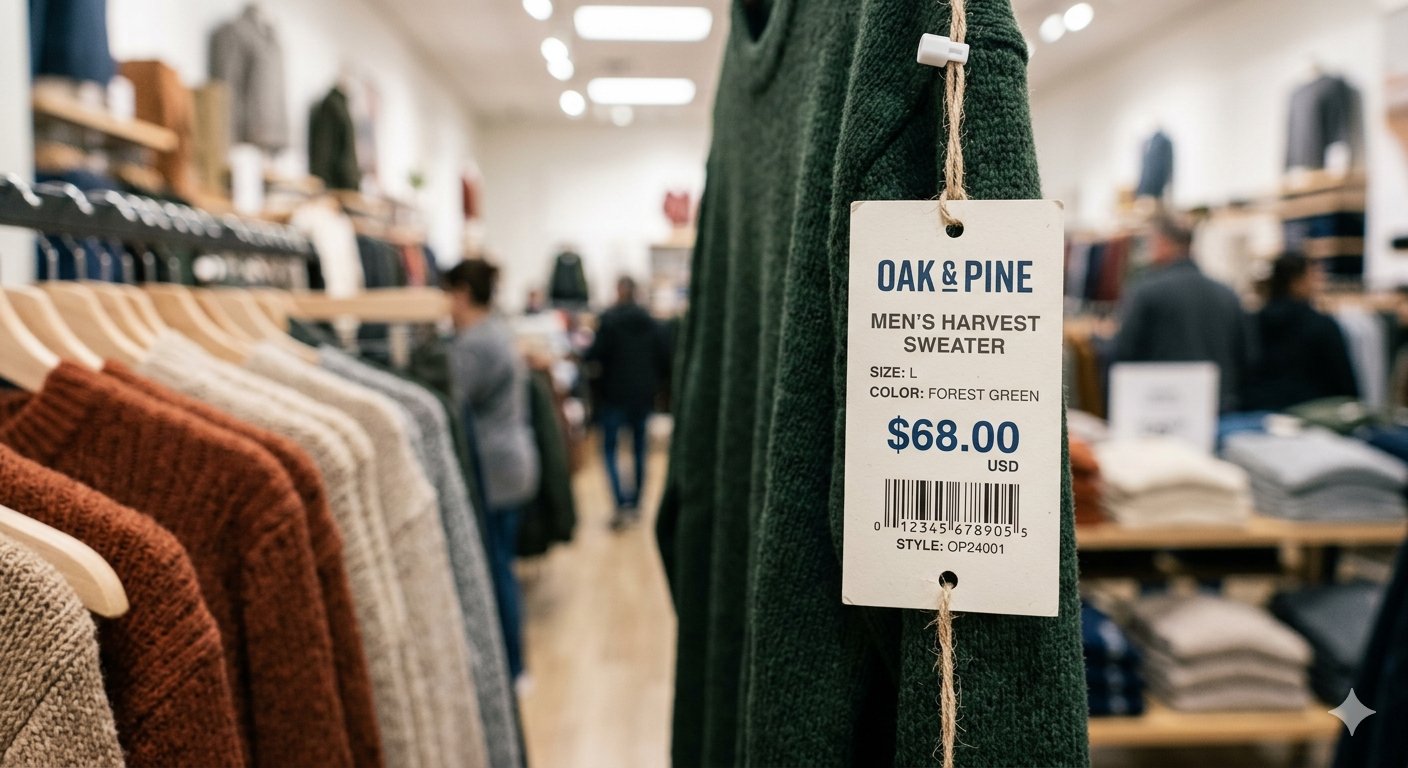

The Frontline Factor — A consequential transformation is unfolding across U.S. retail aisles. Walmart is accelerating its rollout of digital shelf labels, with plans to install them in every U.S. store by the end of 2026, signalling a deeper shift in retail digitization.
A consequential transformation is unfolding across U.S. retail aisles. Walmart is accelerating its rollout of digital shelf labels, with plans to install them in every U.S. store by the end of 2026.
At first glance, the change may appear operational. Replacing paper price tags with small electronic displays seems like a logical process and efficiency update.
In reality, it signals a deeper shift in how pricing, store execution, and frontline roles will evolve in the next phase of retail digitization.
A technology move with strategic intent
Digital shelf labels allow retailers to update prices across thousands of items instantly from centralized systems. Instead of associates manually swapping paper tags, a task that can take days, so pricing updates can now happen in minutes.
The technology is already live in thousands of Walmart locations and is expected to become standard across the chain within the next year.
Retail leaders view this as part of a broader modernization push. Centralized pricing improves consistency between shelf and checkout prices while enabling faster response to competitor promotions, inventory conditions, and merchandising strategies.
At scale, this capability strengthens operational agility. This is an increasingly important advantage as retailers compete on speed, accuracy, and omnichannel execution.
Efficiency gains and workforce reallocation
For frontline teams, the most immediate impact is task redesign.
Manual price updates have long consumed significant labor hours. Digital labels reduce that burden, freeing associates to focus on higher-value work such as customer support, fulfillment, and inventory accuracy.
This shift aligns with a broader trend: frontline retail roles are becoming less transactional and more digitally enabled. Associates are expected to operate mobile tools, interpret system-driven workflows, and support increasingly complex store operations, from online order picking to real-time merchandising adjustments.
In practice, the “price tag change” is also a skills change.
The dynamic pricing debate: to surge, or not to surge?
The rollout has also sparked public scrutiny. Some shoppers and policymakers worry that electronic labels could enable surge-style pricing or algorithm-driven adjustments tied to demand.
Walmart has emphasized that in-store prices will remain consistent for all customers and that pricing decisions continue to be human-led according to the Financial Times.
Still, the controversy reflects a growing tension in modern retail:
- Customers expect transparency and fairness
- Retailers need flexibility and automation
- Frontline teams must navigate both expectations
Technology adoption is no longer just an operational decision, it is a trust decision.
The real frontline impact of digital shelf labels
For store managers and floor leaders, digital shelf labels introduce new execution realities:
- Faster change cycles: Promotions, markdowns, and planogram updates can occur more frequently
- Greater accountability: Pricing accuracy becomes a systems-management task rather than a manual one
- Higher digital fluency requirements: Associates must interact confidently with mobile apps, inventory tools, and automated workflows
- Stronger omnichannel pressure: Stores function increasingly as fulfillment hubs as well as shopping destinations
In short, the shelf is becoming smarter .... and so must the workforce supporting it.
The Frontline Take
Walmart’s nationwide rollout illustrates how physical retail is evolving toward people-led software-defined stores.
Pricing, inventory, staffing signals, and merchandising decisions are increasingly driven by centralized data systems rather than local manual processes. For frontline leaders, competitive advantage will hinge on how effectively teams adapt to this environment.
Key Takeaway
In reality, digital tagging signals a deeper shift in how pricing, store execution, and frontline roles will evolve in the next phase of retail digitization.
Related Articles

Your Future Retail Customer is Cheating on You with a Chatbot
AI shopping agents are changing retail competition. As LLMs like ChatGPT increasingly decide what gets bought, retail teams need to optimize for algorithms as much as consumers.

Corporate Culls Versus the Frontline Crisis: Why You Can’t Cut Your Way to Retention
Recent headlines paint a stark picture: corporate giants like eBay are implementing significant layoffs, culling hundreds, sometimes thousands. How does this affect frontline resilience and employee retention?
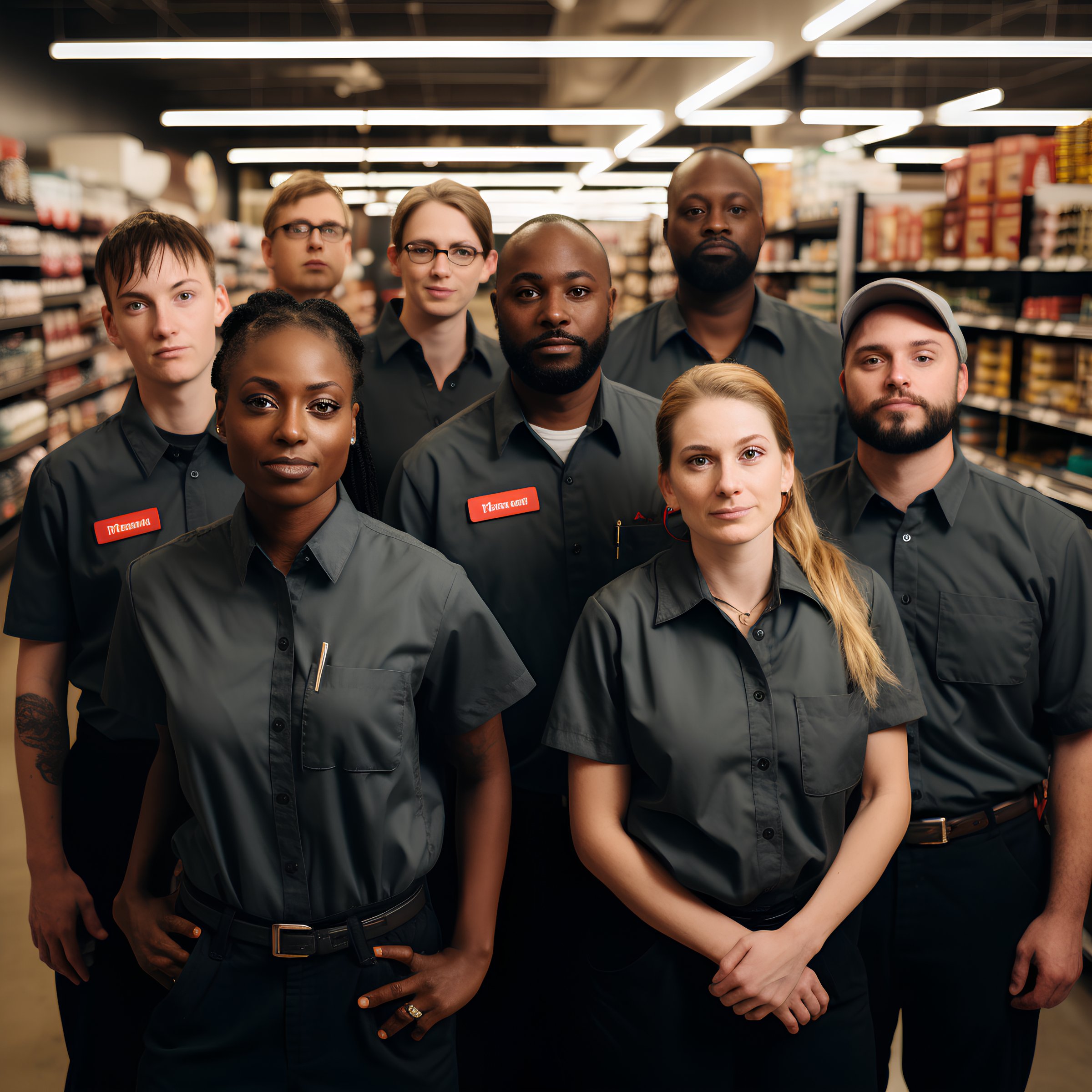
Making it to the Playoffs: Seasonal Retail Tryouts Begin.
Retailers are expected to add about 450,000 seasonal workers this quarter, and most big names aren't announcing targets. A smaller, more surgical intake changes what each holiday hire is for, and who should be watching.