
Warehouse AI Hits $127 Billion by 2035 with Amazon Leading the Way: What That Means for Logistics Operators.

The Frontline Factor — The AI-in-warehousing market is on track to hit $127.66 billion by 2035, and Amazon's robot fleet shows where it is headed. The pitch to workers is that this wave was built to help them. What it actually means for the floor is a choice most operators still haven't made.
The warehouse robots are here to help. The bigger question is what the job becomes.
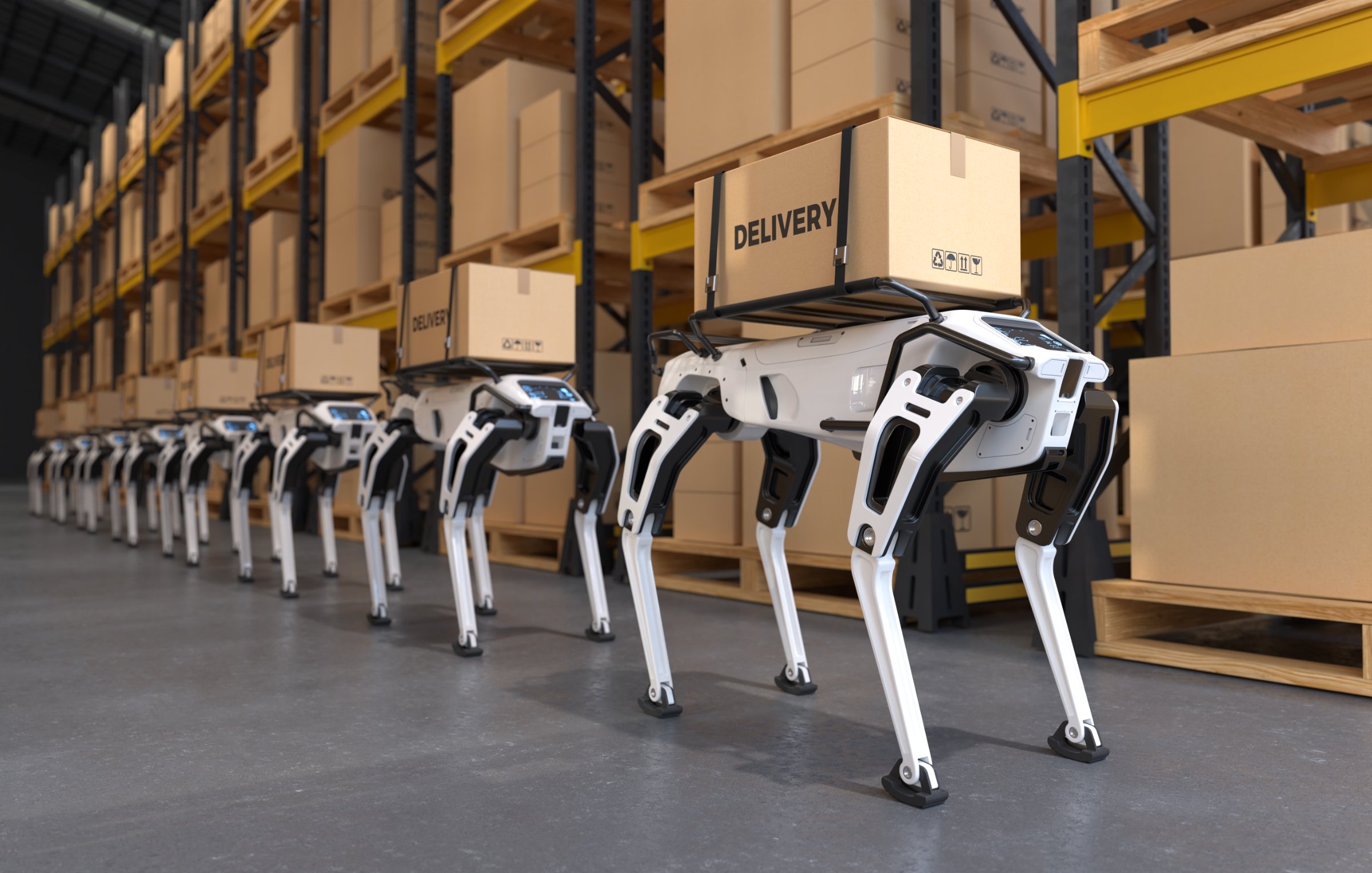
Amazon named its 2024 warehouse robots Robin, Cardinal, Sparrow, and Proteus. It pitched them as a path to efficiency and fewer injuries.
The pitch to frontline workers is that this wave of warehouse AI was built for them, not against them. The money says the pitch is landing. What it will actually mean for the people on the floor is a choice most operators have not made yet.
The spend is real, and so is the logic behind it
Amazon rolled out a new fleet of warehouse robots in 2025. The company framed it as a safety initiative. The AI-in-warehousing market is now on track to hit $127.66 billion by 2035.
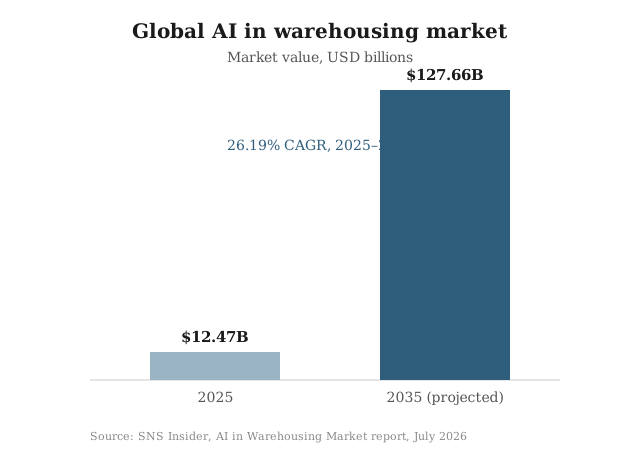
The global market for AI in warehousing was worth $12.47 billion in 2024 and is projected to reach $127.66 billion by 2035, a compound annual growth rate of 26.19 percent, according to a July 2026 SNS Insider report. Retail and e-commerce drove roughly 34 percent of that revenue in 2025.
North America accounted for close to 40 percent.
Orders are more complex, delivery windows are shorter, and workers are harder to find. Machine learning forecasts demand and computer vision speeds up sorting, while predictive maintenance catches a failing conveyor before it stops the line.
Order picking and sorting is the largest application today, because that is where speed and error rates decide whether a retailer keeps its delivery promise.
What the worker-friendly story leaves out
The technology works. The gap is in what gets said about it, and what goes unsaid.
Safer and smaller often ship together. Reducing strain and injury is a genuine gain. But the same report points to a workforce shortage and rising warehouse wages as the reason mid-size companies are now automating. Automation spreads fastest where labor is scarce and costly.
Small and medium operators are the fastest-growing segment, because subscription pricing has put robotics within their reach. This is no longer only a story about the giants.
The interface is moving onto the floor. Natural language processing is the fastest-growing technology in the category. Generative AI chat is now showing up on the handheld scanners warehouse workers already carry, so a worker can ask a question in plain speech instead of learning a system.
Optimization reroutes people, not only inventory. Warehouse optimization is the fastest-growing application, aimed at pulling more throughput out of the same floor space. Real-time flow analysis redirects where stock moves. It redirects where the humans move, too.
What separates the operators who get this right
Define the human job before the robots land. The technology decides which tasks it removes. Leadership has to decide what work remains, and name it plainly, or the floor will assume the worst.
The new interface only helps if workers trust it. A voice assistant on a handheld is an upgrade only when someone knows how to lean on it under pressure. Left unexplained, it becomes one more thing to ignore.
Hold the automation to the promise that sold it. If the case was safety, then injury rates and retention are the scoreboard, not throughput alone.
The Frontline Take
The warehousing AI market is set to grow more than tenfold in a decade, and the spend is coming whether or not any single operator feels ready. Most of the pitches will keep pointing at the worker's back and knees. Much of that is fair. The safety gains are real and worth having, and a floor with fewer injuries is a better place to work.
But safety was always the easy sell. The harder question is what a worker does with the hours a robot gives back, whether the assistant on the handheld makes someone better at the job or just faster to replace, and what a picking role even means once the picking is automated. That question is not on any vendor's slide. It is the one every operator controls. Answer it deliberately and this becomes the best thing that ever happened to the floor. Leave it blank, and the machines will answer it for you.
Key Takeaway
Warehouse AI is sold as safer work and successful operators will define the human job before the robots land.
Related Articles

From Automation to AI Augmentation: Why FedEx’s AI Training Bet Signals a Frontline Reset
Supply chain competitiveness is no longer determined solely by how much an organization has automated. Every serious player will have access to the technology. The differentiator will be how effectively frontline teams are equipped to work alongside it.
Signed, Sealed, Delivered: Amazon Is Coming for UPS and FedEx's Parcels
Amazon opened its logistics empire to any business on May 4, and UPS and FedEx shares fell within hours. The rate war everyone saw coming is here. But parcel contracts are won on price and kept on the sort floor, and the carriers under attack are betting on their people, not their rates.

Your Mail Carrier Needs Water. USPS Gave Them a Form to Fill Out.
USPS's heat program checks every audit box: training, posters, a water source at the building. Carriers on the route still get none of it. The paper trail behind the gap.