
Driver Retention: A Fleet Manager's Guide to Keeping Your Best

The Frontline Factor — Why drivers leave—and what frontline leaders can do about it.
The retention crisis behind the wheel
The trucking industry faces a persistent driver shortage that industry analysts estimate at over 60,000 positions nationally, a figure often cited by the American Trucking Associations (ATA). But framing this as a "shortage" obscures the deeper problem: the industry does not have a supply problem. It has a retention problem. Plenty of people obtain commercial driver's licenses every year. The challenge is that many of them leave within the first year.
For fleet managers and transportation supervisors, driver retention is not an HR initiative. It is the single most impactful operational lever available. Every driver retained saves between $8,000 and $12,000 in recruitment and training costs, according to various industry estimates, preserves customer relationships, and maintains the institutional knowledge that keeps routes running efficiently.
Why drivers leave
Understanding driver turnover requires looking beyond compensation, which is important but rarely the primary driver of departures:
- Home time. The most cited reason for driver dissatisfaction is time away from home. Long-haul drivers who spend weeks on the road miss family milestones, struggle with relationships, and experience isolation that compounds over time.
- Equipment quality. Drivers who spend 10 to 14 hours daily in their truck, consistent with FMCSA Hours of Service regulations, view equipment quality as a reflection of organizational respect. Poorly maintained vehicles, outdated technology, and uncomfortable cabs signal that the company views drivers as interchangeable.
- Dispatcher relationships. The driver-dispatcher relationship is the most important human connection in a driver's work life. Dispatchers who are disrespectful, unresponsive, or consistently assign undesirable loads push drivers toward competitors.
- Administrative friction. Paperwork burden, unclear pay structures, delayed reimbursements, and difficulty reaching HR or payroll create cumulative frustration that eventually triggers departure.
- Safety culture. Drivers who feel pressured to violate hours-of-service regulations, drive in dangerous conditions, or cut corners on pre-trip inspections leave for carriers that prioritize their safety.
Building a Retention-First fleet culture
The first 90 days
Driver turnover is highest in the first three months, a trend consistently observed in industry studies. Fleet managers who invest disproportionately in this period see dramatic retention improvements:
- Structured onboarding that goes beyond compliance paperwork to include mentorship, route familiarization, and relationship building
- Check-in cadence with dedicated contacts at days 7, 14, 30, 60, and 90 to address concerns before they become resignation triggers
- Realistic expectations set during hiring that do not oversell the position. Drivers who feel misled leave fastest
- Equipment assignment ensuring new drivers receive well-maintained trucks rather than fleet hand-me-downs
Communication that demonstrates respect
Drivers are professional workers who make complex decisions independently every day. Communication should reflect this:
- Two-way channels that allow drivers to provide input, not just receive directives
- Advance notice of schedule changes, route modifications, and policy updates
- Personal recognition that acknowledges individual drivers by name and contribution
- Transparent pay communication that makes compensation calculations clear and auditable
Home time optimization
The most retention-focused fleet managers treat home time as a scheduling priority rather than an afterthought:
- Build route networks that maximize driver home time without sacrificing operational efficiency
- Honor home time commitments consistently, not just when it is convenient
- Offer regional or dedicated route options for drivers whose home time needs have changed
- Create transition paths for long-haul drivers who want to move to regional or local roles
The dispatcher relationship
Fleet managers must invest in dispatcher training and accountability because this relationship determines retention more than any other factor:
- Respect training. Dispatchers must understand that drivers are professionals operating in demanding conditions. Tone, timing, and empathy in communications matter enormously.
- Load fairness. When desirable and undesirable loads are distributed inequitably, drivers notice quickly. Transparent load assignment systems reduce perceived favoritism.
- Problem-solving authority. Dispatchers who can resolve common driver concerns, fuel card issues, maintenance scheduling, detention time disputes, without lengthy escalation processes demonstrate organizational responsiveness.
- Relationship continuity. When possible, maintaining consistent driver-dispatcher pairings builds mutual understanding and trust.
Equipment as a retention tool
In an industry where drivers spend their entire work day inside their truck, equipment quality is not a luxury. It is a retention investment:
- Spec committees that include driver input on vehicle specifications
- Preventive maintenance discipline that keeps equipment reliable and reduces breakdown stress
- Technology that helps rather than surveils: navigation, electronic logging, and communication tools that make the job easier
- Cab comfort features including climate control, ergonomic seating, and storage solutions that improve quality of life on the road
Compensation beyond the paycheck
While competitive pay is necessary, the most effective retention packages include:
- Pay transparency with clear, understandable structures and predictable earnings
- Health benefits that cover drivers' unique healthcare needs, including sleep health and musculoskeletal care
- Retirement contributions that demonstrate long-term organizational commitment
- Referral bonuses that leverage satisfied drivers as recruiters
- Milestone recognition celebrating tenure anniversaries with meaningful rewards
Measuring retention health
Fleet managers should track leading indicators alongside turnover rates:
- Voluntary turnover by tenure band to identify where in the driver lifecycle attrition concentrates
- Driver satisfaction surveys administered regularly and acted upon visibly
- Exit interview themes categorized and tracked for systemic patterns
- Dispatcher feedback scores from driver surveys
- Equipment complaint frequency as an early warning indicator
The Frontline Take
Driver retention is won or lost in daily interactions: the dispatcher who answers with respect, the maintenance team that keeps the truck running, the fleet manager who honors a home time commitment.
These small acts of operational integrity accumulate into the reputation that determines whether drivers choose to stay. In an industry where drivers have abundant alternatives, the carriers that retain their best people are not necessarily paying the most. They are leading the best.
Key Takeaway
Why drivers leave—and what frontline leaders can do about it.
Related Articles
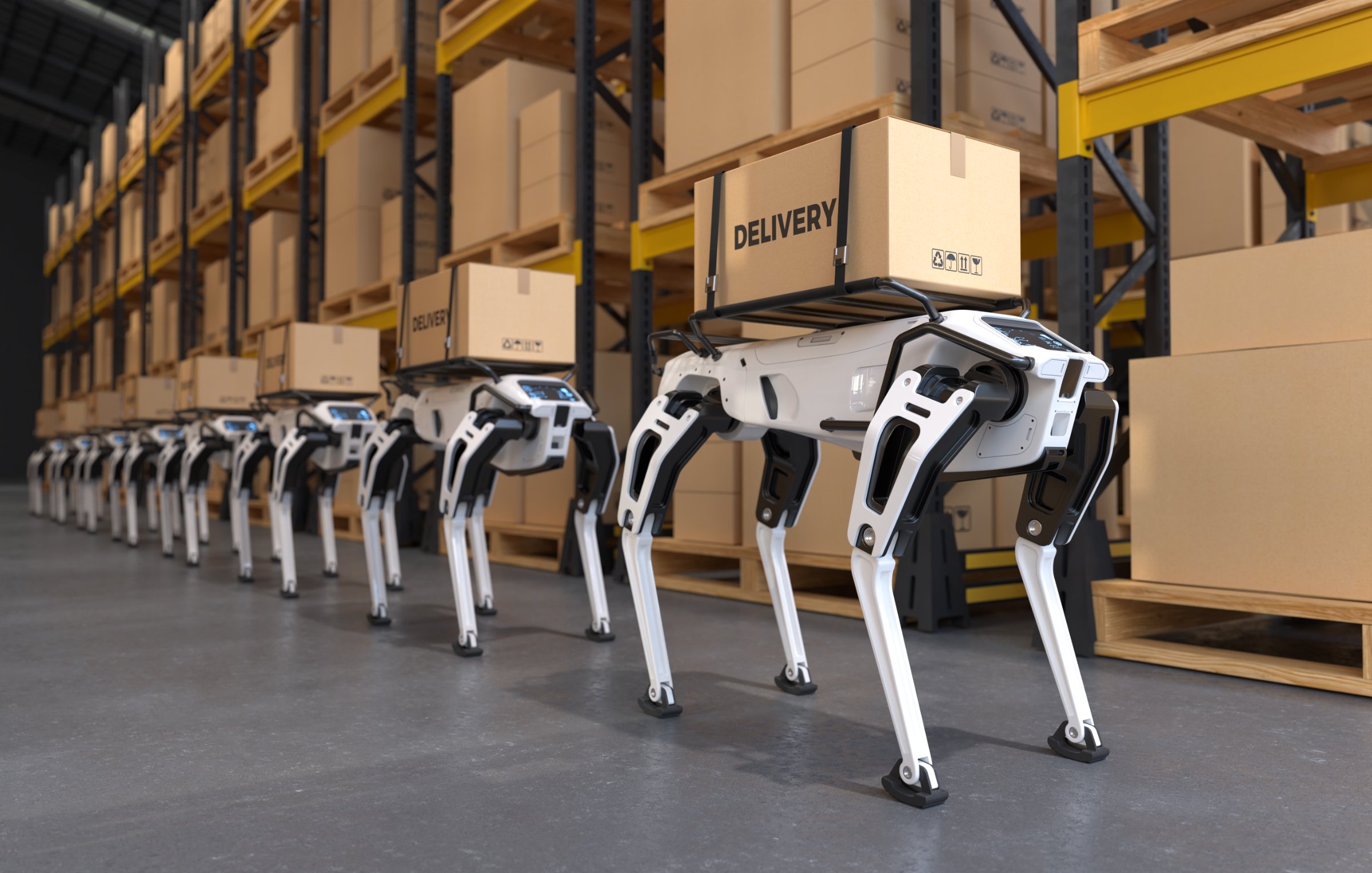
Warehouse AI Hits $127 Billion by 2035 with Amazon leading the way: What that means for Logistics operators.
The AI-in-warehousing market is on track to hit $127.66 billion by 2035, and Amazon's robot fleet shows where it is headed. The pitch to workers is that this wave was built to help them. What it actually means for the floor is a choice most operators still haven't made.

Signed, Sealed, Delivered: Amazon Is Coming for UPS and FedEx's Parcels
Amazon opened its logistics empire to any business on May 4, and UPS and FedEx shares fell within hours. The rate war everyone saw coming is here. But parcel contracts are won on price and kept on the sort floor, and the carriers under attack are betting on their people, not their rates.

Your Mail Carrier Needs Water. USPS Gave Them a Form to Fill Out.
USPS's heat program checks every audit box: training, posters, a water source at the building. Carriers on the route still get none of it. The paper trail behind the gap.