
Cold Chain Leadership: Managing Temperature-sensitive Logistics
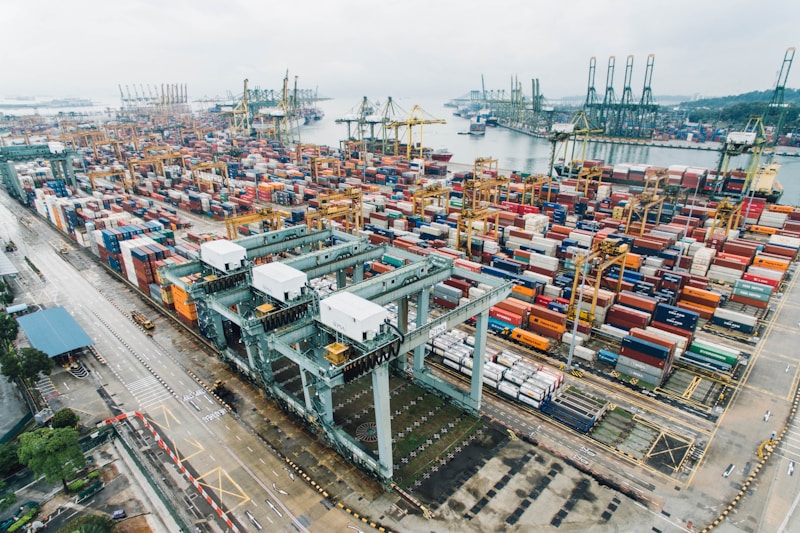
The Frontline Factor — The unique challenges of leading teams in refrigerated supply chains.
The invisible complexity of Temperature-Controlled supply chains
Cold chain logistics operates under constraints that most supply chain professionals never encounter. Every product in a temperature-controlled environment carries an invisible clock. From the moment a pallet of pharmaceuticals leaves a manufacturing facility or a trailer of fresh produce departs a distribution center, the countdown begins. Temperature excursions measured in minutes can render entire shipments worthless.
For frontline supervisors managing cold chain operations, this reality transforms every routine logistics decision into a time-critical judgment call. The skills required go beyond standard warehouse and transportation management. They demand specialized knowledge, constant vigilance, and a team culture built around compliance as a core value.
The regulatory landscape
Cold chain operations exist within a dense regulatory framework that varies by product type and geography:
Frontline supervisors do not need to be regulatory experts, but they must understand the requirements well enough to recognize compliance risks and escalate concerns before they become violations.
Training teams for cold chain excellence
The training challenge in cold chain operations is significant. Many warehouse and transportation workers enter the field without specific cold chain experience, and the consequences of knowledge gaps are immediate and expensive.
Essential training areas:
Temperature monitoring
Every team member who handles temperature-sensitive products must understand:
- How to read and verify temperature monitoring devices
- The specific temperature requirements for products they handle
- What constitutes a temperature excursion and when to report it
- How to use data loggers, temperature indicators, and real-time monitoring systems
- The difference between product temperature and ambient temperature, and why it matters
Equipment operation
Cold chain equipment has unique operating requirements:
- Refrigeration unit pre-trip inspections that verify cooling capacity before loading
- Door management protocols that minimize temperature gain during loading and unloading
- Airflow management within trailers and storage areas to ensure even temperature distribution
- Defrost cycle awareness that accounts for temperature fluctuations during equipment maintenance
Documentation discipline
Cold chain compliance lives and dies on documentation:
- Temperature logs must be accurate, timely, and complete
- Chain of custody records must be maintained without gaps
- Deviation reports must be filed and followed up promptly
- Corrective and preventive action records must demonstrate systematic improvement
Managing temperature excursions
Despite best efforts, temperature excursions happen. How frontline teams respond determines whether an excursion becomes a minor incident or a major loss event:
Immediate response protocol:
- 1Isolate the affected product to prevent further exposure and avoid mixing compromised product with compliant inventory
- 2Document the excursion including time, duration, temperature readings, and products affected
- 3Notify the appropriate parties including quality assurance, the customer, and any regulatory contacts required by the product type
- 4Preserve the product under appropriate conditions while disposition decisions are made
- 5Investigate the root cause to prevent recurrence
Common excursion causes and prevention:
- Door seal failures caught through regular pre-trip inspections
- Unit cycling issues identified through continuous monitoring rather than spot checks
- Loading sequence errors where warm product is placed adjacent to temperature-sensitive goods
- Staging delays where product sits at ambient temperature waiting for dock assignments
Building a Compliance-First culture
In cold chain operations, compliance cannot be an afterthought or an audit-preparation exercise. It must be woven into daily operations:
Technology and the human element
Cold chain technology has advanced dramatically. IoT sensors provide real-time temperature monitoring. GPS-enabled tracking follows shipments from origin to destination. Automated alerts notify supervisors of developing problems before they cross critical thresholds.
But technology is only as effective as the people who use it:
- Alert fatigue develops when monitoring systems generate too many false positives, training teams to ignore warnings
- System trust must be calibrated. Teams that over-rely on automated monitoring may miss issues that sensors do not detect
- Data interpretation skills determine whether monitoring data generates insight or just noise
- Backup procedures must exist for technology failures, because refrigeration does not pause when the monitoring system goes offline
The Frontline Take
Cold chain leadership is specialized logistics leadership. The supervisors who excel in this environment combine deep product knowledge with rigorous operational discipline and genuine investment in team training. The margin for error is narrow, the regulatory consequences are severe, and the human stakes, whether patient safety for pharmaceuticals or food safety for perishables, are real. Frontline leaders who build teams that understand and respect these stakes protect their organizations, their customers, and the end consumers who depend on temperature-controlled supply chains working flawlessly every day.
Key Takeaway
The unique challenges of leading teams in refrigerated supply chains.
Related Articles

Your Mail Carrier Needs Water. USPS Gave Them a Form to Fill Out.
USPS's heat program checks every audit box: training, posters, a water source at the building. Carriers on the route still get none of it. The paper trail behind the gap.
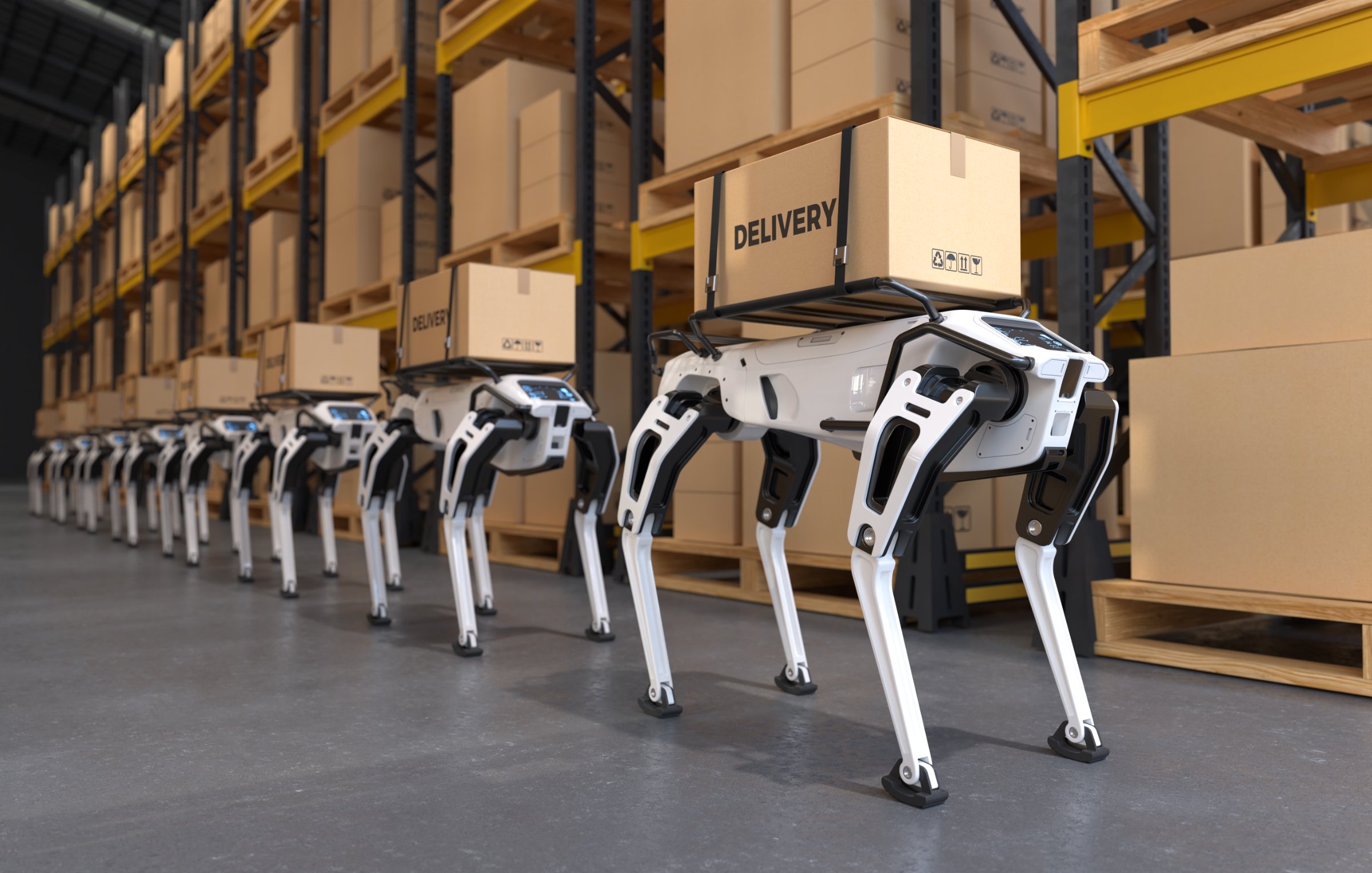
Warehouse AI Hits $127 Billion by 2035 with Amazon leading the way: What that means for Logistics operators.
The AI-in-warehousing market is on track to hit $127.66 billion by 2035, and Amazon's robot fleet shows where it is headed. The pitch to workers is that this wave was built to help them. What it actually means for the floor is a choice most operators still haven't made.

Signed, Sealed, Delivered: Amazon Is Coming for UPS and FedEx's Parcels
Amazon opened its logistics empire to any business on May 4, and UPS and FedEx shares fell within hours. The rate war everyone saw coming is here. But parcel contracts are won on price and kept on the sort floor, and the carriers under attack are betting on their people, not their rates.