
Annual Turnover Rate
BLS JOLTS
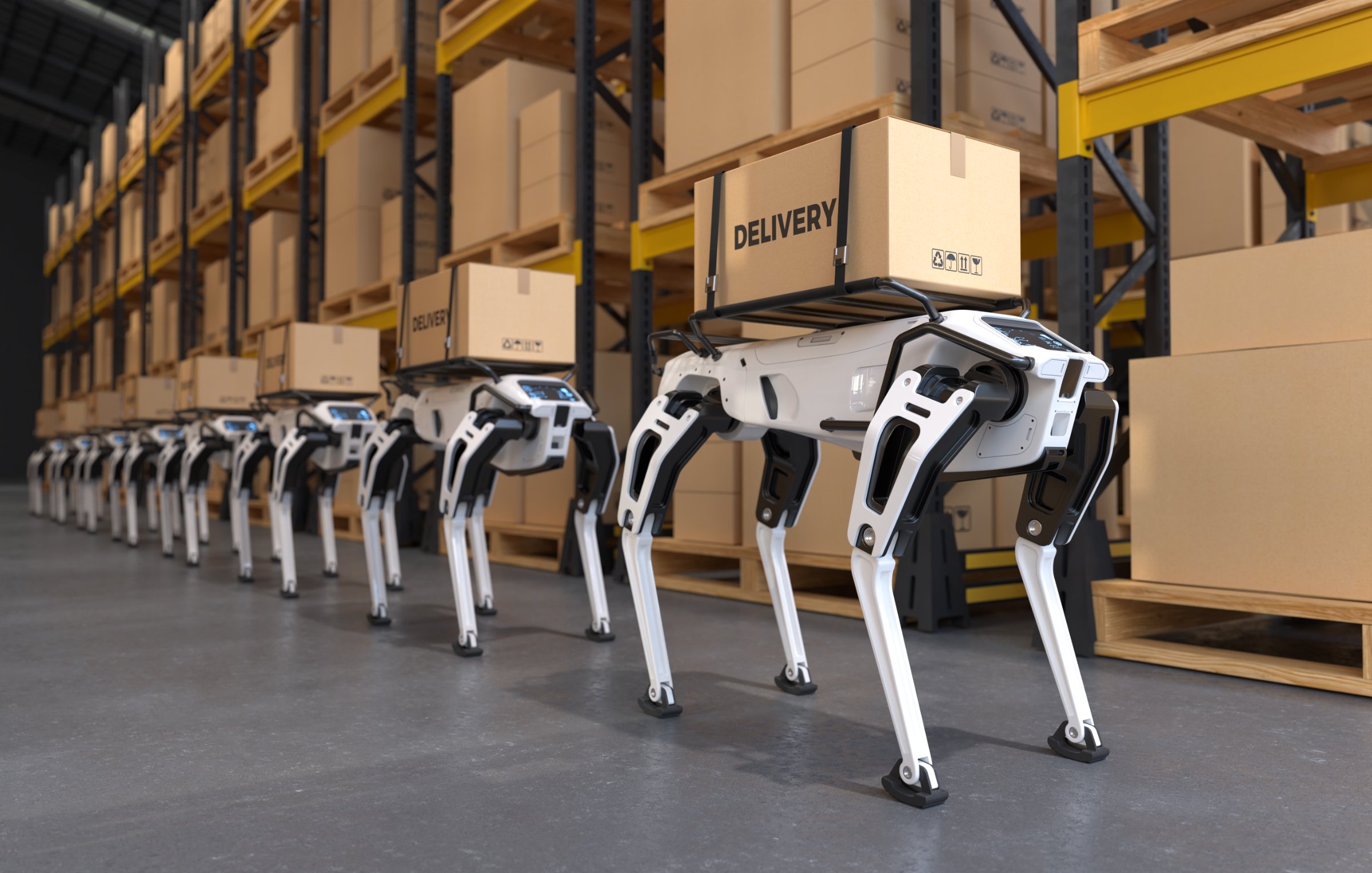
Warehouse AI Hits $127 Billion by 2035 with Amazon leading the way: What that means for Logistics operators.
The AI-in-warehousing market is on track to hit $127.66 billion by 2035, and Amazon's robot fleet shows where it is headed. The pitch to workers is that this wave was built to help them. What it actually means for the floor is a choice most operators still haven't made.
Read article
Robotics ROI: the Human Metrics Your CFO Isn't Tracking

Here Comes the Smoke: How Wildfires Affect the Frontline.

Signed, Sealed, Delivered: Amazon Is Coming for UPS and FedEx's Parcels

Workforce Management Has a Definition Problem. What Is It?

Your Mail Carrier Needs Water. USPS Gave Them a Form to Fill Out.

What AI Can't Fix: The Human Factors Still Driving Frontline Failure
Never Miss a New Article
Get notified when we publish new logistics insights.
More Logistics Insights

From Automation to AI Augmentation: Why FedEx’s AI Training Bet Signals a Frontline Reset
Supply chain competitiveness is no longer determined solely by how much an organization has automated. Every serious player will have access to the technology. The differentiator will be how effectively frontline teams are equipped to work alongside it.

Warehouse Leadership in the Age of Same-Day Delivery
Warehousing is now a real-time fulfillment engine. Same-day delivery expectations are transforming operations and cranking up the pressure for warehouse leaders.

Driver Retention: A Fleet Manager's Guide to Keeping Your Best
Why drivers leave—and what frontline leaders can do about it.

Last-Mile Delivery Team Management
Leading dispersed teams when you rarely see your workers face-to-face.

Cross-Docking Strategies for Modern Distribution
Reducing warehouse dwell time through smarter dock management.

Cold Chain Leadership: Managing Temperature-Sensitive Logistics
The unique challenges of leading teams in refrigerated supply chains.

Peak Season Preparation: A Logistics Leader's Playbook
Turn peak-season chaos into controlled execution by preparing your team to handle surge demand before it hits. NOT while it’s happening.