
Peak Season Preparation: A Logistics Leader's Playbook
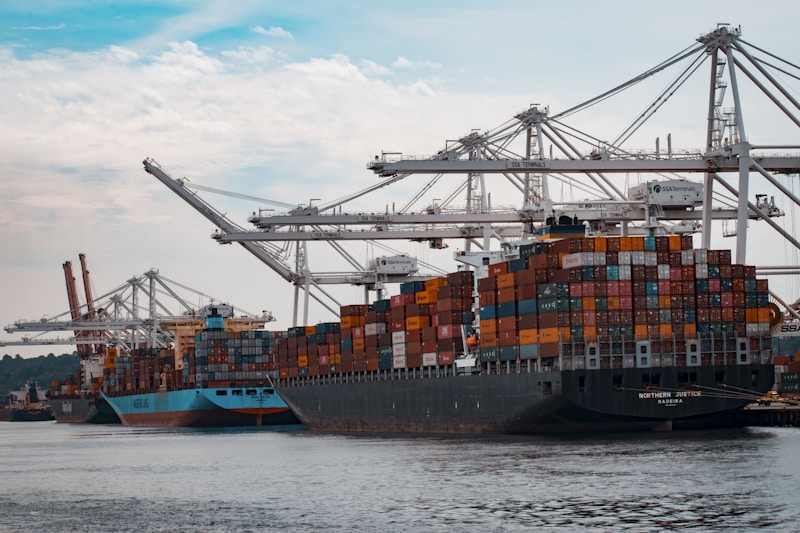

The Frontline Factor — Turn peak-season chaos into controlled execution by preparing your team to handle surge demand before it hits. NOT while it’s happening.
The annual test of logistics leadership during peak periods
Peak season in logistics is the ultimate leadership stress test.
Whether it is the holiday shipping surge, back-to-school season, or agricultural harvest windows, every logistics operation faces periods where volume spikes dramatically while quality and delivery expectations remain unchanged or increase.
The difference between operations that thrive during peak and those that merely survive comes down to preparation. The best frontline leaders begin peak planning months in advance, building capacity, training teams, and establishing the workforce resource management systems that will carry their operations through the surge.
Forecasting and capacity planning
Effective peak preparation starts with understanding what is coming. While exact volumes are impossible to predict, historical data combined with current trends provides a working forecast that drives planning decisions:
Staffing strategies for the surge
Labor is typically the primary constraint during peak holiday shipping season, a sentiment echoed by McKinsey who say that consumers are buying needed goods and gifts much earlier in the year to prevent last-minute Christmas panic.
Frontline supervisors who manage the staffing challenge well use a layered approach:
Building the temporary workforce
Temporary workers are essential for peak capacity, but they present unique management challenges:
- Recruit early. The best temporary workers are claimed quickly. Organizations that wait until the last minute get whoever is left
- Simplify onboarding. Create streamlined training programs that focus on the specific tasks temporary workers will perform, not comprehensive facility orientation
- Pair with veterans. Assign every temporary worker a permanent team member as a buddy. This accelerates learning and provides a go-to resource for questions
- Set clear expectations. Temporary workers perform best when they understand exactly what is expected: attendance requirements, performance standards, and safety protocols
Retaining your core team
Peak season is demanding for permanent staff. Leaders who lose experienced workers during the surge create a compounding problem:
- Communicate the plan so teams know what to expect and feel prepared rather than ambushed
- Schedule fairly by distributing overtime equitably and honoring time-off commitments where possible
- Recognize effort consistently throughout the peak, not just at the end
- Protect breaks even when volume pressure suggests skipping them. Fatigued workers make mistakes that cost more than the break time
Operational preparation
Beyond staffing, peak readiness requires systematic operational preparation:
Equipment and infrastructure
- Maintenance windows scheduled before peak begins to address known equipment issues
- Backup equipment sourced and tested before it is needed
- Material handling equipment (forklifts, conveyors, scanners) checked, serviced, and supplemented if capacity requires it
- IT system load testing to ensure warehouse management systems and transportation management systems can handle peak transaction volumes
Process optimization
Peak season is not the time for process experimentation, but it is the right time to implement proven improvements:
- Batch optimization for picking operations to maximize efficiency during high-volume periods
- Staging area expansion to prevent congestion at dock doors and shipping lanes
- Return routing established in advance for the post-peak returns surge that follows every shipping peak
- Quality checkpoints maintained despite volume pressure, because shipping errors during peak create customer service problems that extend well beyond the season
Communication systems
Peak operations generate more information that needs to move faster:
- Daily stand-ups that shift from weekly during normal operations to daily during peak
- Real-time dashboards showing volume, throughput, and quality metrics across all shifts
- Escalation protocols that define when and how supervisors should escalate developing problems
- Customer communication templates prepared for common peak scenarios: delays, capacity constraints, or service level adjustments
Managing the surge day by day
Once peak begins, frontline leadership shifts from planning to execution:
Post-peak: the Often-Neglected phase
The days and weeks after peak season require their own leadership attention:
After peak season, shift focus to recovery and retention by giving teams time to decompress, ending mandatory overtime quickly, and recognizing their effort with meaningful appreciation.
Plan separately for the post-holiday returns surge, which can rival outbound demand, especially as the National Retail Federation continues to forecast record-high return volumes and unwanted purchases.
Conduct a timely after-action review to capture what worked, what didn’t, and what needs to change, with clear ownership for improvements.
At the same time, identify high-performing seasonal workers early and convert them into permanent hires before they move on.
The Frontline Take
Peak season separates logistics leaders from logistics managers.
The preparation, communication, and daily execution required to move dramatically increased volume without sacrificing quality or burning out your team is a leadership challenge that cannot be delegated or automated. The supervisors who approach peak as a professional discipline, investing months of preparation for weeks of execution, build operations that their teams trust, their customers rely on, and their organizations depend on for competitive advantage.
Key Takeaway
Turn peak-season chaos into controlled execution by preparing your team to handle surge demand before it hits. NOT while it’s happening.
Related Articles

Signed, Sealed, Delivered: Amazon Is Coming for UPS and FedEx's Parcels
Amazon opened its logistics empire to any business on May 4, and UPS and FedEx shares fell within hours. The rate war everyone saw coming is here. But parcel contracts are won on price and kept on the sort floor, and the carriers under attack are betting on their people, not their rates.

From Automation to AI Augmentation: Why FedEx’s AI Training Bet Signals a Frontline Reset
Supply chain competitiveness is no longer determined solely by how much an organization has automated. Every serious player will have access to the technology. The differentiator will be how effectively frontline teams are equipped to work alongside it.
Warehouse AI Hits $127 Billion by 2035 with Amazon leading the way: What that means for Logistics operators.
The AI-in-warehousing market is on track to hit $127.66 billion by 2035, and Amazon's robot fleet shows where it is headed. The pitch to workers is that this wave was built to help them. What it actually means for the floor is a choice most operators still haven't made.