
Quality Control Leadership on the Production Line
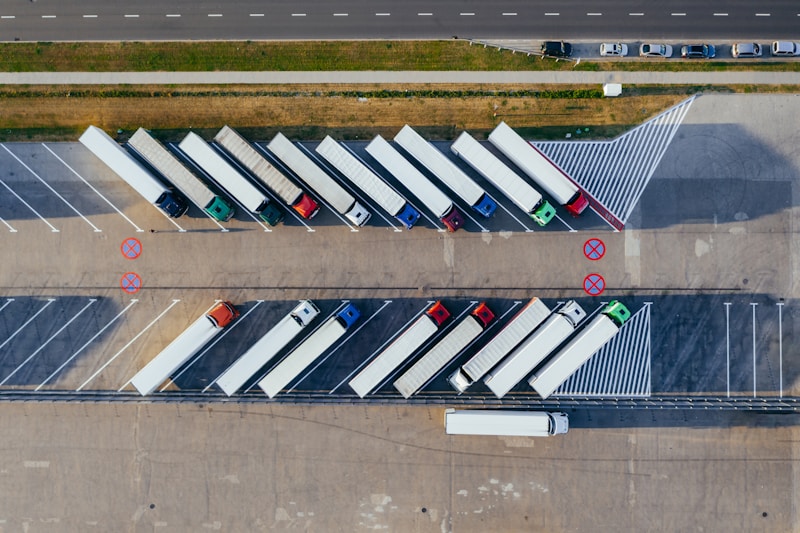
The Frontline Factor — Building a culture where quality is everyones responsibility.
Quality as a leadership discipline
The phrase "quality is everyone's responsibility" appears in nearly every manufacturing mission statement. But on the production floor, quality often becomes a bottleneck department, a set of inspection checkpoints that catch defects after they have already been created. Production supervisors who shift their teams from a detect-and-reject mindset to a build-it-right mindset see dramatic improvements in first-pass yield, scrap reduction, and team morale.
This shift does not require new technology or massive capital investment. It requires leadership that embeds quality thinking into the daily rhythm of production work.
The cost of reactive quality
When quality is treated primarily as an inspection function, the costs compound in ways that are not always visible on the daily production report:
- Scrap and rework costs consume materials, machine time, and labor hours that could have produced saleable product
- Inspection bottlenecks slow throughput as finished goods queue for quality checks
- Root cause blindness develops when teams become accustomed to defects being caught downstream rather than prevented upstream
- Blame culture emerges when quality holds become personal, pitting production against quality departments
According to the American Society for Quality, the cost of poor quality can range from 15% to 40% of total business costs. Most of this is hidden in rework, warranty claims, and lost customer trust rather than appearing as a single line item.
Building quality into daily routines
Production supervisors who successfully embed quality thinking use a combination of structural practices and cultural reinforcement:
Start-of-shift quality checks
Before the first piece runs, effective supervisors ensure:
- Equipment calibration is verified and documented
- Material inspection confirms incoming components meet specification
- First article approval is completed with careful attention, not rubber-stamped
- Team briefing covers any quality alerts, specification changes, or lessons from the previous shift
This five-to-ten minute investment prevents hours of rework later in the shift.
In-process verification
Rather than relying solely on end-of-line inspection, leading supervisors build verification into the production flow:
- Self-inspection protocols where operators check their own work against visual standards before passing it forward
- Successive checks where the next station in the process verifies the previous operation as part of their own setup
- Statistical process control (SPC) at critical process parameters, with operators trained to read and respond to control charts
- Stop-and-fix authority that empowers any team member to halt production when they identify a quality concern
Shift handoff quality reviews
The transition between shifts is one of the highest-risk periods for quality. Effective supervisors build quality into handoff conversations:
- Current defect trends and any active quality alerts
- Equipment performance issues that could affect the next shift
- Any specification changes or customer requirements updates
- Open corrective actions and their status
First-pass yield as a team metric
First-pass yield, the percentage of units that pass through production correctly the first time, is one of the most powerful metrics a production supervisor can track. Unlike defect counts (which can feel punitive), first-pass yield frames quality positively: how often are we getting it right?
Making first-pass yield visible:
- Post real-time yield data on production floor displays where teams can see it
- Track yield by shift to create healthy competition (not blame)
- Celebrate improvements, even small ones, to reinforce the behavior
- Connect yield improvements to tangible outcomes: less overtime, less rework, and more predictable schedules
When teams see their first-pass yield climbing from 94% to 97%, they understand that quality improvement directly reduces the frustrating rework cycles that eat into their shifts.
Training operators as quality owners
The transition from "quality inspects my work" to "I own the quality of my work" requires deliberate training and reinforcement:
Addressing quality culture barriers
Several common barriers prevent quality culture from taking root on the production floor:
The Frontline Take
Quality on the production line is not a department or a checkpoint. It is a leadership discipline that lives in the daily habits of every supervisor and operator. The production leaders who build quality into their team culture, rather than inspecting it in after the fact, consistently deliver better results with less waste, less frustration, and more professional pride across their crews. The investment in training, visibility, and empowerment pays dividends that compound with every shift.
Key Takeaway
Building a culture where quality is everyones responsibility.
Related Articles

Energy Volatility and Tribal Knowledge: the Hidden Risk in Your Manufacturing Production Line
When energy markets turn volatile due to international conflict, manufacturers reach for leaner operations and tighter margins. But the risk that tends to bite hardest isn't on the energy desk: it's standing at the machine.
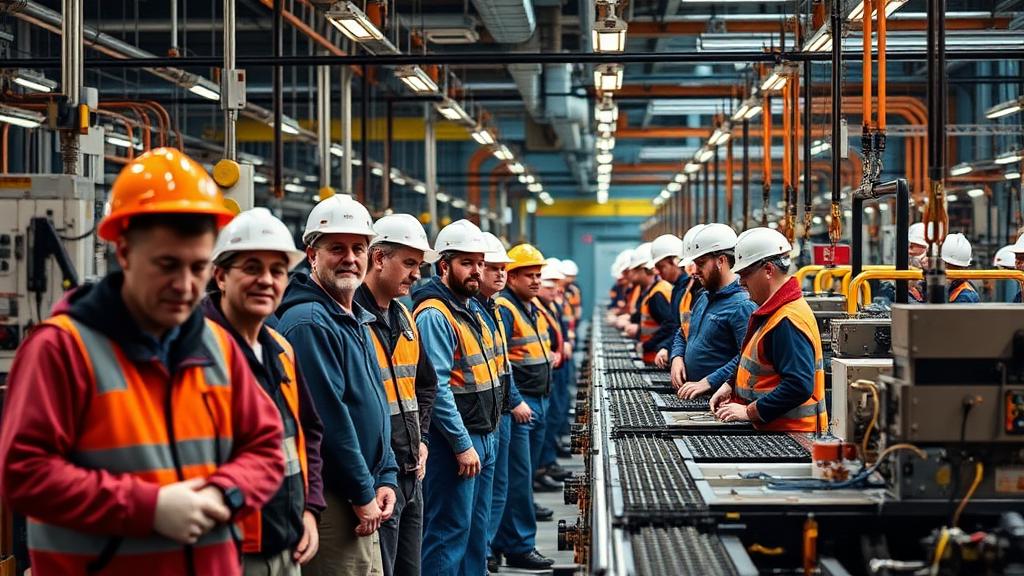
Machines Aren’t the Constraint, the Manufacturing Labor Shortage Is.
U.S. manufacturing output is experiencing a boom in the early part of 2026, with the Purchasing Managers' Index (PMI) consistently signaling growth and new orders on the rise. But will shortages in labor block this growth?
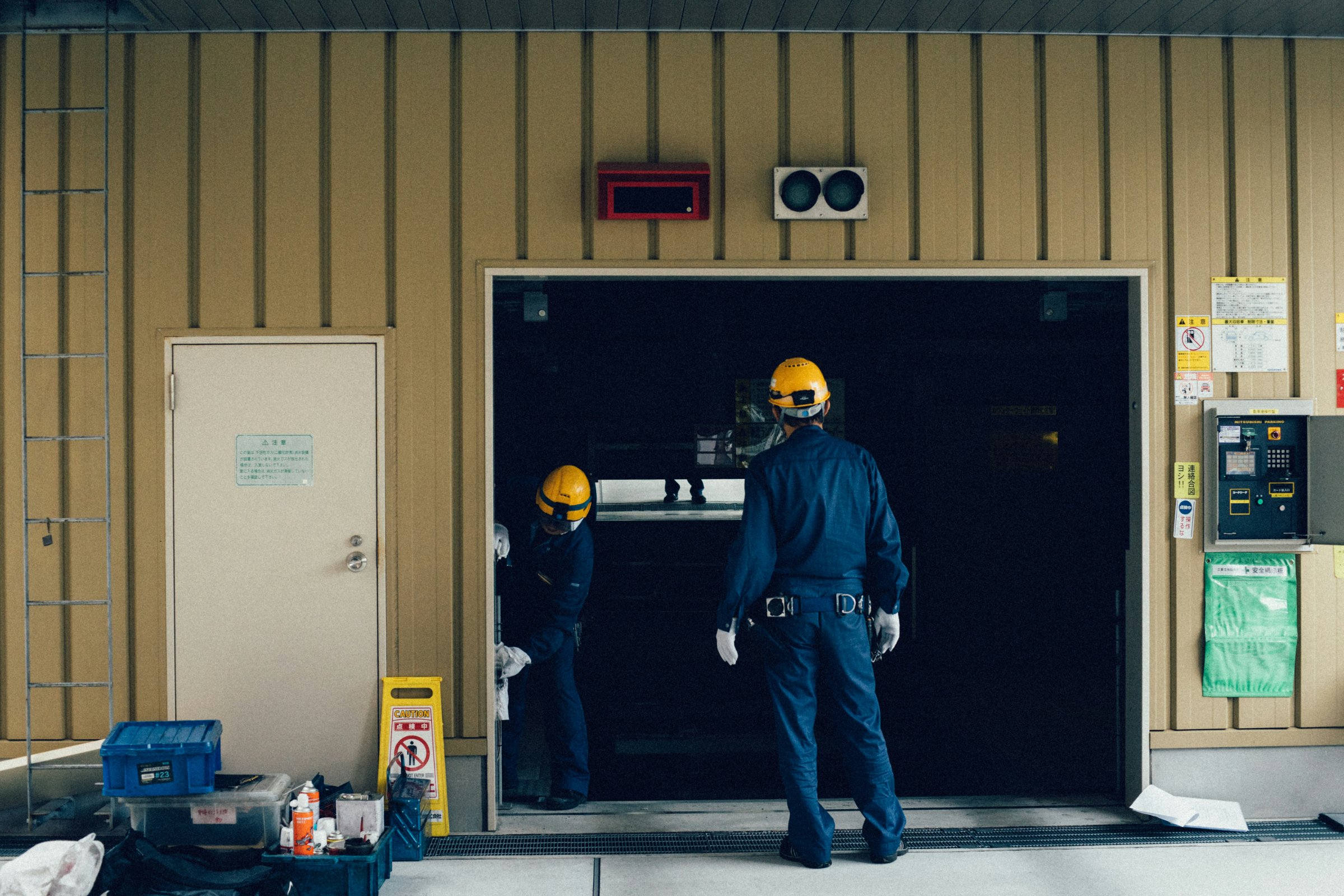
Managing technical debt in manufacturing before it manages you
When experienced operators leave, they take decades of tribal knowledge with them. Here's how to diagnose and fix the technical debt they leave behind, before it disrupts your production floor.