
Safety Culture: Building a Zero-incident Workplace
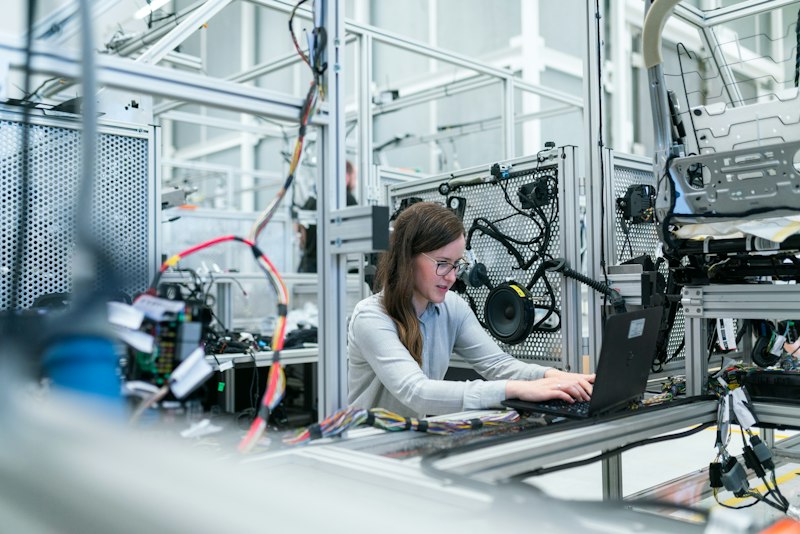
The Frontline Factor — How manufacturing leaders are creating cultures where safety becomes everyone's priority.
The Frontline Take
Safety regulations set the floor, not the ceiling. Organizations with true safety cultures go far beyond minimum requirements.
The psychology of safety
Workers need to feel psychologically safe to report hazards and near-misses. This requires:
- Trust in leadership - Employees must believe reports won't lead to punishment
- Visible commitment - Leaders must demonstrate safety is a priority through actions
- Peer accountability - Teams should feel responsible for each other's wellbeing
Practical implementation
Daily Safety Huddles
Start each shift with a 5-minute safety discussion. Topics can include:
- Recent incidents or near-misses
- Weather or environmental factors
- New equipment or processes
- Personal protective equipment reminders
Recognition Programs
Celebrate safety achievements publicly. Recognition reinforces positive behaviors and signals organizational priorities.
Continuous Training
Safety training shouldn't be a one-time event. Ongoing micro-learning keeps safety top of mind.
Measuring success
Track both lagging indicators (incident rates) and leading indicators (near-miss reports, safety observations, training completion).
The business case
Companies with strong safety cultures see:
- 70% fewer workplace injuries
- 52% lower workers' compensation costs
- Higher employee engagement and retention
Key Takeaway
How manufacturing leaders are creating cultures where safety becomes everyone's priority.
Related Articles

Ok, Computer: Reducing the risk of a cybersecurity attack on the manufacturing floor.
While the manufacturing industry has improved its approach to cybersecurity according to research firm Black Kite, there is still a way to go to handle credential exposures that risk access to vital systems on the manufacturing floor. Learn as an operator how you can minimize the risk.
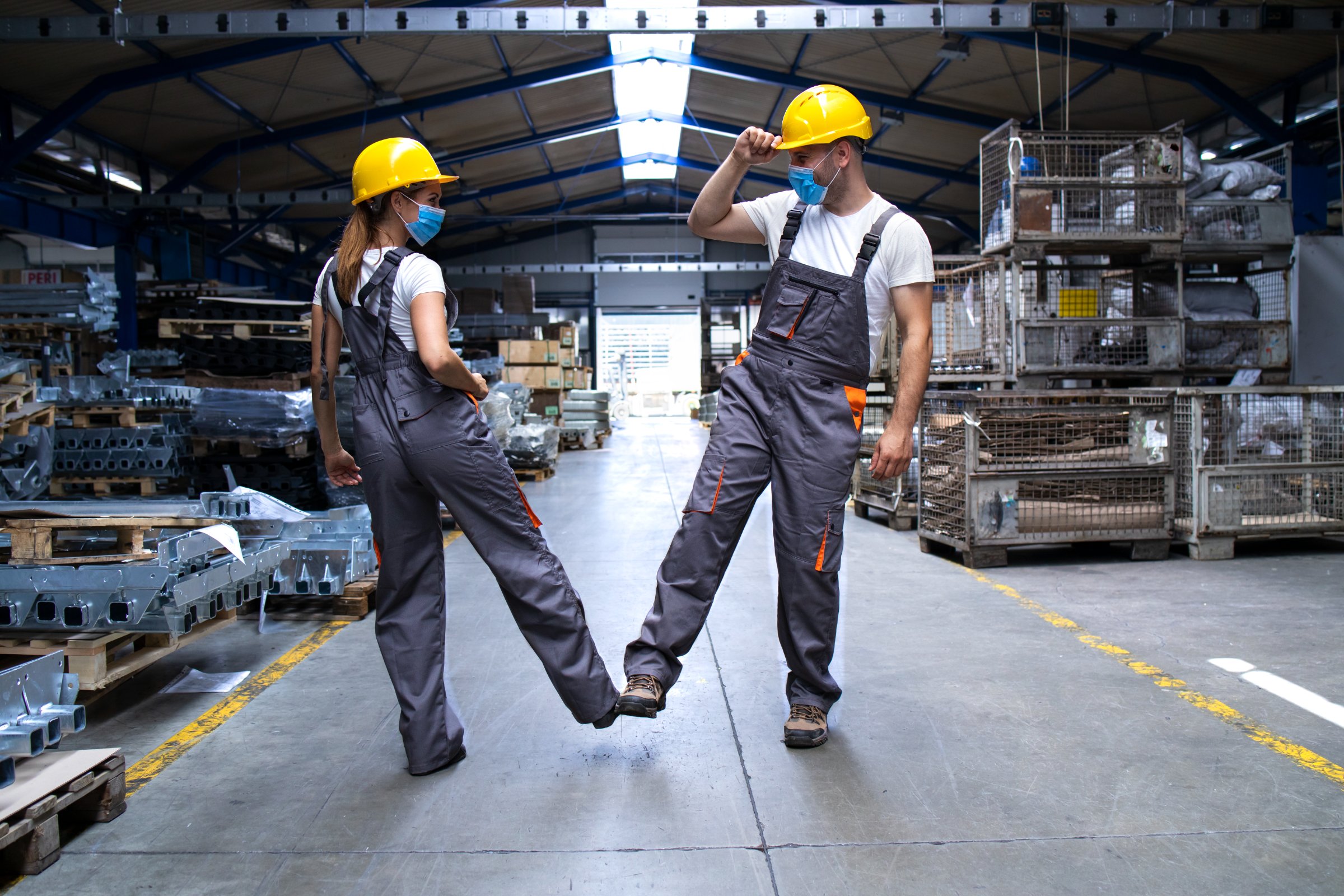
Ready or Not, Here AI Come (to the Manufacturing Frontline)
AEM's 2026 outlook calls the human-machine handoff manufacturing's defining workforce priority, then names the constraint: value depends on human capability. The technology and capability plans are one program in that framing. In most companies they are two, on two clocks.

1 in 3 manufacturing employees have mental health challenges: How HR can help break the stigma on the frontline.
The clang of machinery, the hum of conveyors, the precise rhythm of assembly lines.These are the sounds that define manufacturing. But, beneath the noise, a quieter, intense struggle is often at play: long hours, demanding workloads and little room (and sympathy) for 'not feeling like yourself'.