
Supersize Me, Ronald: Mcdonald's New Strategy is Ready. Is the Crew?
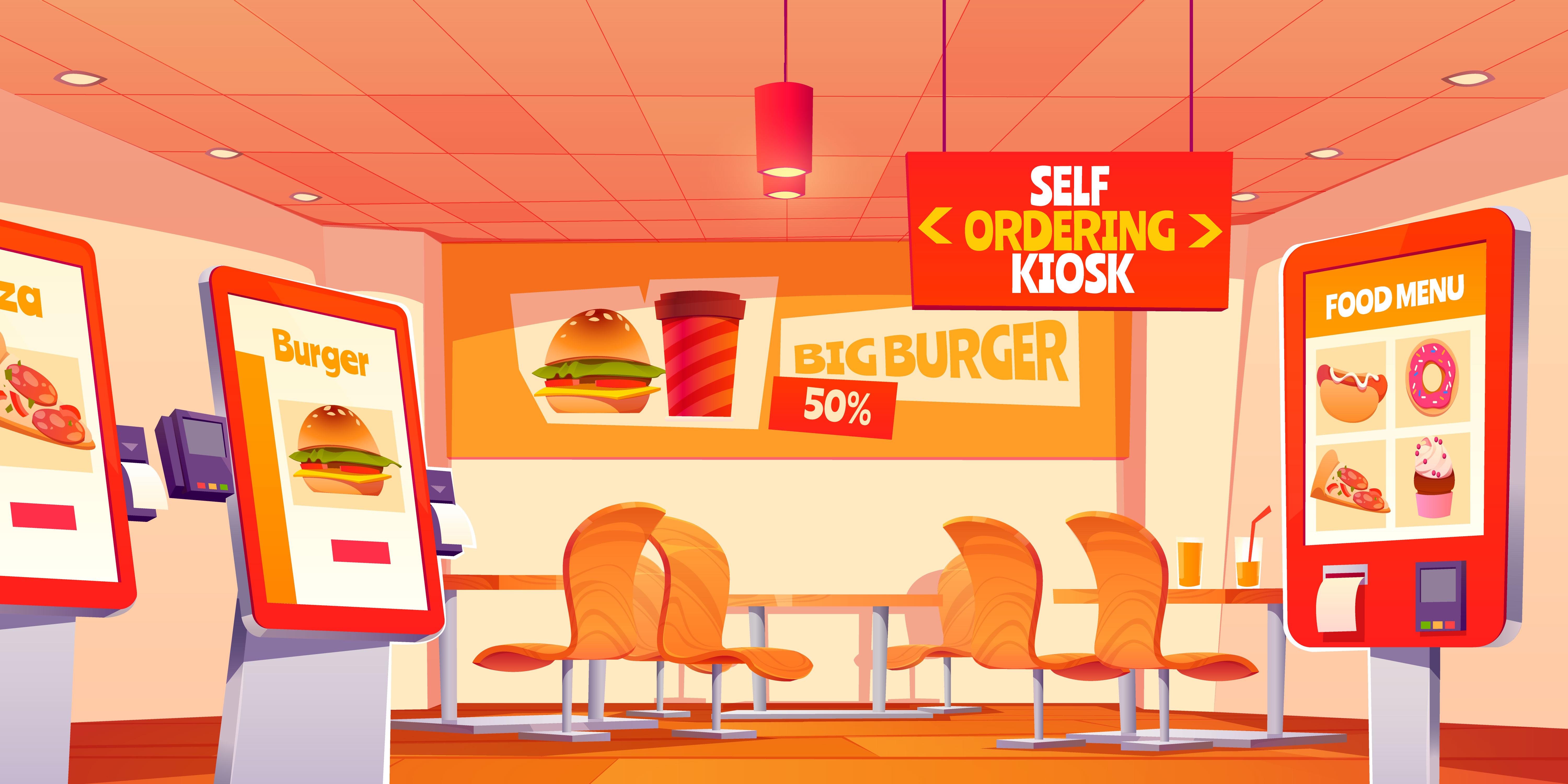

The Frontline Factor — McDonald's are reinventing their restaurants globally through their 2026 NEXT growth strategy. The real test is what happens on the crew side. Are the frontline crew ready to adapt?
(JUNE 2026) McDonald's is reinventing their restaurant operational model (again), this time to take advantage of the automation capabilities that AI has to offer in quick-service-retail (QSR) spaces.
Da-da-da-daaaa: flipping McDonald's operational model towards AI
The claim made: better designed restaurants, better food options and better service.
But the real test is what happens on the crew side to make this happen. As one of the world's largest foodservice employers, the Golden Arches' ambitious modernization efforts, from automated drive-thrus with Robot assistants to redesigned kitchens and dynamic menu boards, represent a massive undertaking.
For frontline leaders across industries, this transformation offers a potent case study: every operational overhaul is, at its heart, a critical change management project for the people doing the work.
Fail to McPlan, plan to McFail: QSR frontline readiness
When a company like McDonald's introduces new kitchen layouts, advanced ordering systems, or expanded menu items, the immediate focus is often on the customer experience or the technology itself.
Each innovation demands new muscle memory, redesigned communication flows, and a revised understanding of efficiency from the crew. This isn't just about learning where new equipment goes; it's about fundamentally altering how individuals interact with their workspace, their colleagues, and ultimately, the customer.
Consider the cumulative effect:
- New equipment: Requires retraining on operation, maintenance, and troubleshooting.
- Revised kitchen layouts: Demands new movement patterns, spatial awareness, and re-optimizing the 'path of production.'
- Expanded menu options: Necessitates learning new recipes, ingredient handling, and precise execution under pressure.
- Technology integration: Means interacting with new digital interfaces, order management systems, and potentially even AI-powered tools.
For a frontline worker, these aren't isolated changes; they are simultaneous shifts that redefine their entire workday, all while the clock continues to tick on drive-through times and customer satisfaction.
Operational readiness as change management
The concept of operational readiness extends far beyond simply installing new machines or redesigning internal restaurant layouts,.
It's an end-to-end strategy that ensures an organization's people, processes, and technology are aligned and prepared to execute new operational directives flawlessly. In the context of a restaurant redesign, this means treating every aspect of the change as a people-centric project.
Here's how frontline leaders at McDonalds and other QSR's can champion operational readiness during periods of significant change:
1. Engage the frontline early and often
- Pre-implementation communication: Involve crew members in discussions about upcoming changes, explaining the "why" behind the new initiatives. This fosters buy-in and reduces apprehension.
- Pilot programs: Test new layouts or equipment with a small, representative group of frontline staff. Their feedback is invaluable for refining processes before a broader rollout.
- Build Feedback loops: Establish clear channels for ongoing feedback during and after implementation. Employees closest to the work often identify unforeseen challenges and innovative solutions.
2. Invest in comprehensive, hands-on training
- Simulated environments: If possible, create mock-up stations or use virtual reality to train staff on new equipment and workflows without disrupting live operations.
- Phased training: Break down complex changes into manageable modules. Allow ample time for practice and skill mastery before expecting full speed.
- Peer-to-peer coaching: Empower experienced team members to train and mentor their colleagues, leveraging internal expertise and building team cohesion.
3. Refine processes with human-centered design
- Workflow mapping workshops: Engage frontline staff in mapping out new workflows. This ensures practicality and accounts for the nuances of their daily tasks.
- Ergonomic considerations: Ensure new layouts and equipment are designed with worker safety and efficiency in mind, reducing physical strain and improving flow.
- Standard operating procedures (SOPs): Update and clearly communicate new SOPs, providing easy-to-access resources like visual guides or short video tutorials.
Manage the frontline flurry: from crew to customer experience
The guest experience is directly proportional to how well the frontline workforce absorbs and adapts to operational change.
A crew that feels overwhelmed, undertrained, or disoriented by new systems will struggle to deliver consistent, high-quality service. This can manifest as slower service time as crew members navigate unfamiliar equipment, planograms or processes.
This in turn can lead to increased errors and confusion due to lack of proficiency with new processes and the danger of decreased morale and an impaired customer experience.
McDonald's when rolling out the strategy globally should keep the people aspect front and center to mitigate for any and all of these risks.
Industries beyond quick service, including healthcare, manufacturing, and logistics, face similar challenges. A new electronic health record system, an automated warehouse, or a just-in-time delivery platform all place immense pressure on frontline staff to re-learn, adapt, and perform. The takeaway from all of this is that global changes require global change management executed thoughtfully.
The Frontline Take
The modernization of industries like retail and food service using AI is inevitable and necessary for ongoing competitiveness. McDonald's being an established player in the arena, knows that all too well with their NEXT strategy.
However, the path to success is paved not with new technology alone and it is important to acknowledge that reality.
HR and operations leaders must continue to recognize that every operational upgrade is, in essence, a large-scale change management initiative for their most critical asset: their people. They'll make it work; the question is how to rollout a large scale global change so that strategy meets frontline execution effectively.
Key Takeaway
Successful large-scale operational changes hinge entirely on equipping, training, and empowering QSR frontline teams to adapt to new workflows and technologies while maintaining service excellence.
Related Articles

The Shelf Talks Back on Digital Tags: What Walmart Associates Are Telling Us on Social Media
Walmart's digital shelf label rollout is now landing on the floor and associates are starting to talk. Their early feedback reveals a familiar pattern in retail tech deployments: the bigger the headquarters bet, the more friction shows up at the shelf edge.

AI Readiness in Retail: The Frontline Gap That Needs to be Addressed.
Retail's AI ambition is racing ahead of AI readiness on the shop floor. Here's why workforce upskilling will decide which retailers win the next wave.
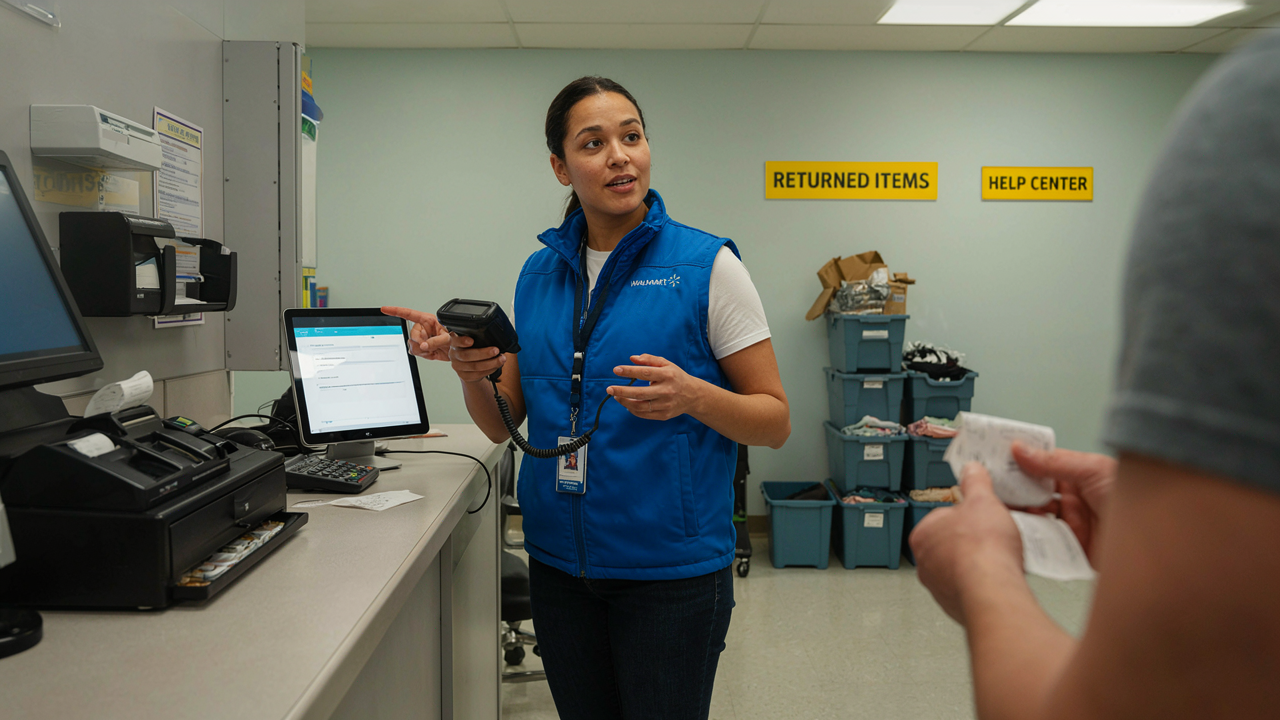
Store workers at Walmart have a new responsibility: correcting AI errors.
Walmart store workers are now correcting the AI agents that assign their tasks and set timings they can't hit. Managers say they are not enforcing those numbers. That restraint is the only safeguard in the system, and it is not written down anywhere.